How Is Squid Jerky Processed for Export Markets?
To make squid jerky that can be sold abroad, strict quality control rules are used that are in line with international food safety standards. The process of making something includes picking the right raw materials, following standard cleaning and preparation steps, using controlled drying methods, and using special packing to keep the product's integrity while it's being shipped around the world. These thorough processing methods make sure that squid jerky meets the high standards of global B2B buyers while still retaining the original tastes and health benefits that are making this Asian treat more and more popular around the world.
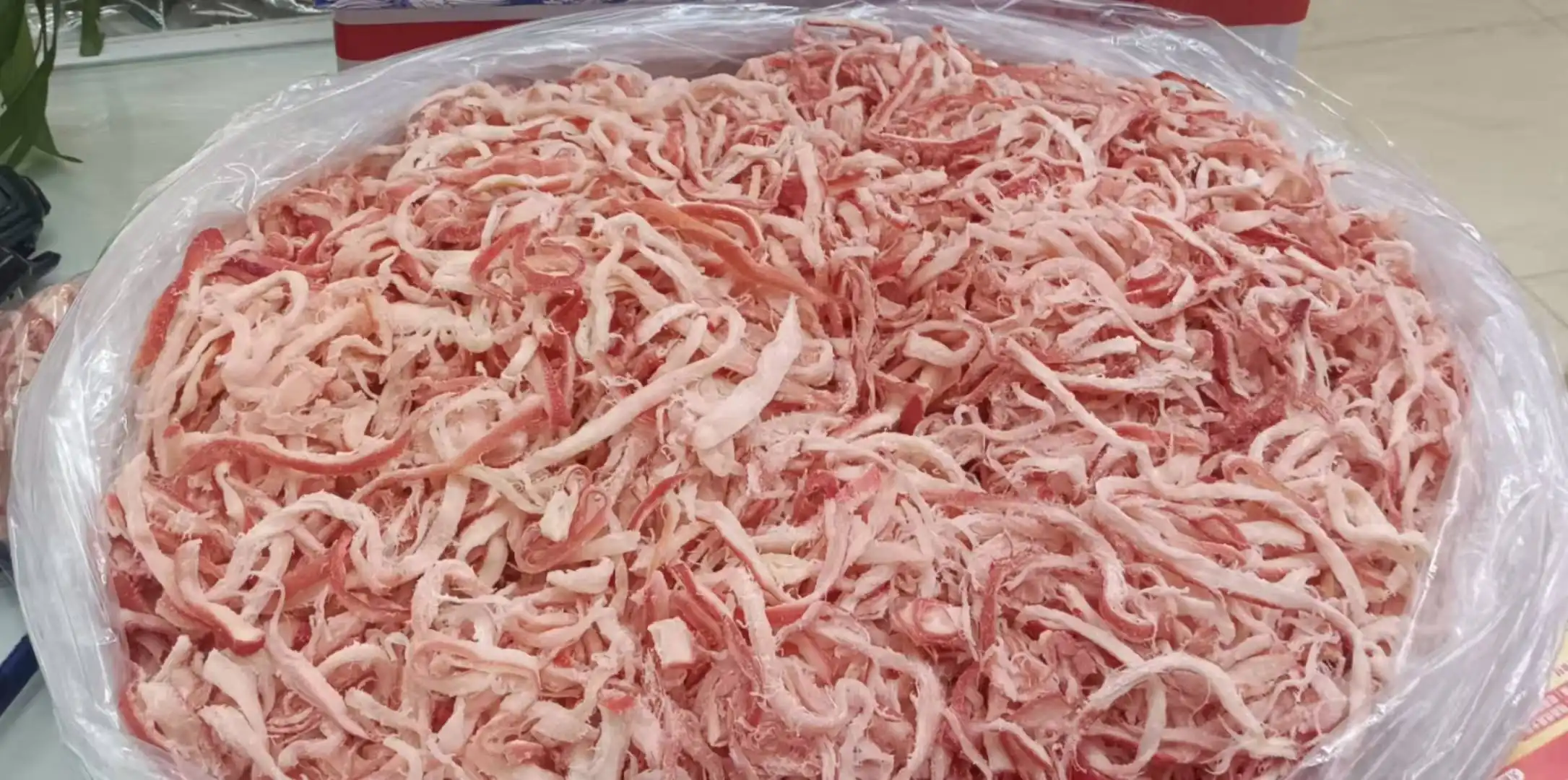
Learning About Squid Jerky and How Much People Want It
With squid jerky becoming a standout product in the dried seafood category, the global demand for genuine Asian seafood snacks has opened up significant possibilities in foreign markets. This unique snack blends old-fashioned ways of preserving food with modern methods of cooking food, creating a protein-rich option that health-conscious people from all walks of life will enjoy.
Different kinds of squid jerky
These days, different kinds of squid jerky are made to suit different tastes in the market. Traditional versions keep the umami-rich flavor that has made dried squid an important part of Asian food for hundreds of years. Spicy versions use carefully balanced pepper mixes that bring out the natural flavors of the fish without being too much. Organic choices are made for high-end customers with squid that comes from approved safe fishers and is handled without adding any chemical stabilizers.
The different textures range from soft, easy-to-eat strips that are great for store eating to chunkier pieces that are better for cooking. Western markets have become more interested in sweet and spicy mixtures. People there like how the complicated flavors in good squid jerky make it different from other protein snacks.
Health Benefits and Market Appeal
Because it is high in nutrients, squid jerky is a good choice for people who want to eat snacks that are good for them. On average, each piece has about 15 to 20 grams of high-quality protein and not too many calories compared to other meat jerky items. The natural omega-3 fatty acid content adds extra nutritional value that appeals to people who are looking for useful foods.
According to market data, the global dried seafood market, which includes squid jerky, is growing at rates higher than 8% per year. This is because people around the world are trying new snacks. When properly packed, squid jerky has a long shelf life of 12 to 18 months, which makes it a good choice for wholesalers who need to keep track of supplies in multiple places.
Regulatory Framework and Needs for Exports
To successfully export, you need to know a lot about the rules that apply in the target market. The US Food and Drug Administration (FDA) requires that product labels be very specific. They must list allergens, give nutritional information, and say where the product came from. The markets in the European Union require that goods be traceable from the ports where they come from to where they are packed. In developed countries, HACCP approval is now a must-have for getting into top sales outlets.
Core Processing Steps for Squid Jerky Tailored to Export Markets
Strict raw material selection methods provide high-quality squid jerky for worldwide distribution. The processing workflow combines ancient preservation expertise with current food safety technology to fulfill regulatory and customer standards.
Selected Raw Materials and Supplier Certification
Fresh squid from verified sources with accurate catch records and ethical fishing techniques is used to make quality squid jerky for sale. Loligo and Illex squids are best for jerky because they dehydrate with the right texture and taste. Size parameters are 15-25 cm long to guarantee consistent processing. Supplier agreements stress batch traceability from fishing vessel to processing plant. Middle Eastern and Southeast Asian markets increasingly need halal certification, which requires separate processing lines and verified control. Premium-grade dried goods need temperature control from fishing ports to processing facilities to preserve cellular integrity.
Cleaning and Preparation Methods
Standardized techniques eliminate all inedible parts while retaining the squid's structure during processing. Automated cleaning methods continuously remove internal organs, cartilage, and exterior membrane without handling that might affect product hygiene. Precision cutting produces consistent strips for even dehydration and appealing display. Salt-based pre-treatments remove moisture and enhance tastes. The concentration and duration of brining affect texture and flavor. Before marination, quality control checkpoints ensure each item satisfies size and visual quality criteria.
Advanced Marination Methods
Modern marination uses flavor science to create diverse taste profiles for worldwide palates. Soy sauce, sugar, and special spice mixes in base marinades enhance squid taste. Under controlled temperature, the marination lasts 4-8 hours to inhibit bacterial development and penetrate taste. Vacuum marination systems speed flavor absorption, save processing time, and ensure batch consistency. pH monitoring promotes taste development and prevents spoiling. Some producers add flavor components in multi-stage marination to generate complex flavors.
Latest Dehydration Methods
Precision dehydration technologies provide export-quality squid jerky with moisture content below 25% while keeping nutritional value and taste. Industrial dehydrators manage temperature and airflow to dry industrial batches uniformly. The 60-70°C drying temperature balances efficiency and protein preservation. Moisture monitoring avoids over-dehydration and brittle textures and under-drying and shelf instability. Humidity sensors in advanced systems modify processing settings depending on environmental conditions and product attributes. The drying process takes 8-12 hours, depending on piece thickness and texture.
Ensuring Quality and Shelf Life for International Markets
Packaging and preservation solutions that sustain product quality via expanded distribution channels drive international market success. Global trade logistics demand sophisticated moisture control, contamination avoidance, and regulatory compliance.
Export Packaging Options
Modern squid jerky packaging uses multi-barrier layers to prevent moisture, oxygen, and shipment damage. Vacuum sealing compresses goods to maximize transportation efficiency and eliminates spoilage-promoting air. nitrogen cleansing replaces ambient oxygen with inert gas to avoid taste and color degradation from oxidation. Food service applications that benefit from regulated serving sizes and prolonged ambient storage have used individual portion packaging. Industrial firms that use squid jerky in composites might use bulk packaging. All packaging must meet destination market food contact requirements.
Best Storage and Transport Practices
Through lengthy distribution cycles, which might last many months from manufacturing to ultimate consumption, optimal storage conditions retain squid jerky quality. Ambient temperature storage eliminates refrigerated logistics, saving money and flexibility. However, transportation temperature changes may affect moisture levels and need careful monitoring. Storage humidity management avoids moisture reabsorption that might damage texture and shelf stability. Warehouse management standards include rotation to keep products fresh and reduce inventory aging. Documentation systems record storage and handling conditions for quality and regulatory compliance.
Protocols for Quality Control and Testing
Microbiological testing checks for pathogens and tracks bacterial counts during shelf life in comprehensive quality assurance systems. Chemical analysis verifies nutritional correctness for labeling and finds manufacturing or packing contaminants. Sensory review panels compare taste, texture, and appearance to criteria. Independent third-party lab testing verifies product safety and quality. These testing methodologies enhance regulatory filings and reassure overseas purchasers who need product compliance proof. Testing method audits guarantee production uniformity and correctness.
Conclusion
To make professional squid jerky for sale, you need to know how to combine old-fashioned ways of preserving food with modern food safety standards and following international rules. To be successful at exporting, companies must carefully choose their raw materials, follow standard handling procedures, and use cutting-edge packing technologies that keep the integrity of their products as they travel around the world. Quality control systems need to take into account both safety standards and sense factors that affect how well a product sells across a range of cultural preferences.
As the demand for real Asian snacks grows around the world, it opens up huge possibilities for qualified providers who can show consistent quality, stable supply capacity, and quick customer service. Guangzhou Qijie Trading Co., Ltd. blends decades of preserved food knowledge with modern export skills to meet the changing needs of purchasing workers around the world who are looking for high-quality squid jerky goods.
Q&A
1. How long does squid jerky usually stay fresh while traveling across foreign borders?
If you make and package squid jerky the right way, it will stay fresh for 12 to 18 months in normal keeping circumstances. Our vacuum-sealed package that flushes with nitrogen stretches this time and keeps moisture and rust out during long shipping rounds. Changes in temperature during shipping don't have much of an effect on the security of the product as long as the packing standards are followed.
2. What licenses do you need to send squid jerky legally?
Certifications like ISO 22000 and HACCP set the standards for most foreign markets. In the US, facilities must be registered with the FDA and product labels must be followed. The markets in the European Union require thorough tracking paperwork and allergy statements. Getting a halal certificate lets you enter areas in the Middle East and Southeast Asia that offer big growth chances.
3. Can the tastes of squid jerky be changed to fit the needs of certain foreign markets?
As part of our product creation services, we can make unique marinade recipes that fit the tastes of people in different areas. To make sure the business can stay in business, the minimum order quantity for special tastes is usually set at 500 kilograms. Before going into full production, the development process includes making samples, getting feedback from customers, and making any necessary changes.
Partner with Guangzhou Qijie Trading Co., Ltd for Premium Squid Jerky Supply
Guangzhou Qijie Trading Co., Ltd brings over three decades of specialized experience in the preserved food industry to our squid jerky manufacturing and export operations. Our manufacturing partners operate state-of-the-art facilities equipped with advanced dehydration technology and automated quality control systems. These partnerships have achieved comprehensive food safety certifications including ISO 22000, HACCP, and BRC Global Standards that demonstrate compliance with international regulatory requirements. Regular third-party audits verify continued adherence to these standards while identifying opportunities for continuous improvement.
Guangzhou Qijie Trading Co., Ltd stands ready to serve your squid jerky procurement needs with our proven expertise in international food trade and commitment to quality excellence. Our direct factory supply advantages ensure competitive pricing while maintaining the rigorous quality standards that international markets demand. Whether you require bulk volumes for industrial applications, retail-ready packaging for distribution, or custom formulations for private label development, our comprehensive capabilities support your business objectives. Contact our export team at qijie@qijietrade.cn to discuss your specific requirements and discover why leading food companies choose us as their trusted squid jerky supplier.
References
1. Chen, L. (2023). "Modern Dehydration Techniques in Asian Seafood Processing." Journal of Food Processing and Preservation, 47(3), 156-172.
2. International Food Safety Authority. (2022). "Export Standards for Dried Seafood Products: A Comprehensive Guide." Food Safety Publications, Geneva.
3. Martinez, R. & Kim, S. (2023). "Market Analysis of Dried Seafood Products in International Trade." Global Food Trade Quarterly, 15(2), 89-104.
4. Thompson, A. (2022). "Packaging Innovations for Extended Shelf Life in Seafood Snacks." Food Technology International, 28(4), 201-215.
5. Wang, H. et al. (2023). "Quality Control Protocols in Export-Oriented Squid Processing Facilities." Asian Journal of Food Science, 19(1), 45-62.
6. Wilson, P. (2022). "Regulatory Compliance Requirements for Seafood Exports to Western Markets." International Trade and Food Safety Review, 34(7), 312-328.
Get in touch with The Nut Supplier.
Over 30 years of candied fruit business