What Raw Material Grades Are Used for Eel Jerky Manufacturing?
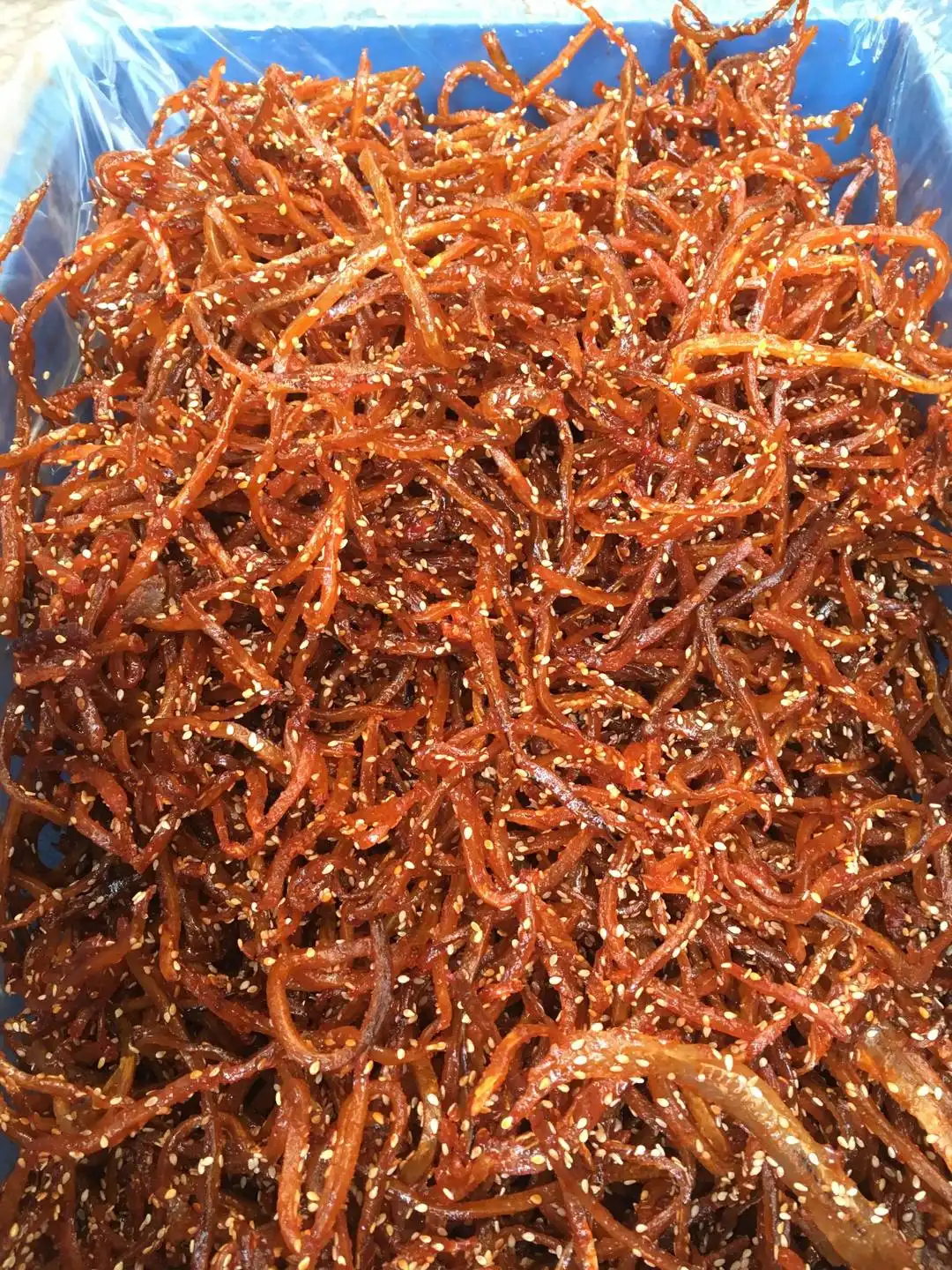
Eel Jerky manufacturing relies on distinct raw material grades that determine the final product's quality, texture, and market positioning. Premium-grade eels typically feature uniform sizing, optimal fat content, and superior freshness levels, while standard grades offer cost-effective solutions for large-scale production. The grading system encompasses factors such as species type (freshwater versus saltwater varieties), seasonal harvesting conditions, and processing-ready characteristics. Understanding these classifications enables manufacturers to select appropriate raw materials that align with their production objectives and target consumer preferences.
Understanding Raw Material Grades for Eel Jerky Production
Eel Jerky production efficiency and product quality depend on raw material grades. To make educated sourcing selections, procurement professionals must comprehend the grading system's many assessment criteria.
Key Eel Raw Material Grading Criteria
Premium grades have homogeneous eel sizes of 300 to 500 grams each piece, which is a key grading criteria. Larger specimens improve processing yield ratios, minimizing waste and lowering manufacturing costs. To retain texture and nutritional value, Grade A materials are processed within 24 hours after harvesting. Raw material grades depend equally on species categorization. Due to its better fat distribution and taste profile, Japanese eel (Anguilla japonica) is premium, whereas European eel (Anguilla anguilla) is ideal for conventional smoking. American eels are affordable without sacrificing quality.
Grading Standards and Terms International
The worldwide Eel Jerky business uses standardized nomenclature to help suppliers and producers communicate. Grade AAA has the best freshness, size consistency, and fat content distribution. Grade AA offers higher quality criteria and more flexible volume pricing. HACCP compliance, ISO 22000 food safety management, and MSC sustainability designations give quality assurance. Manufacturers targeting premium markets need these certifications to verify raw materials fulfill international food safety and ethical sourcing standards.
Seasonal and Habitat Changes
Due to natural feeding cycles, autumn-caught eels have increased fat content. LEANER spring harvests are ideal for Eel Jerky variations that prioritize protein over fat. Habitat affects raw material texture and taste. Clean, well-oxygenated water eels have increased muscle density and less muddy taste notes, which improves classifications and processing.
Impact of Raw Material Grades on Eel Jerky Quality and Production Process
Raw material grades affect Eel Jerky texture, taste, and shelf life. High-quality materials optimize manufacturing parameters and provide better sensory qualities.
Grade-Based Texture and Flavor
Quality Eel Jerky is the perfect blend of softness and chewiness from premium eels. Top-quality materials have better muscle fiber structure, which evenly distributes moisture during drying, extending shelf life and taste concentration. For regular product lines, mid-grade materials give appropriate textural profiles and are cost-effective for large-volume manufacturing. These grades are ideal for smoked variety, when taste increase compensates for textural differences.
Processing Parameter Optimization
Different raw material grades need different processing changes for best outcomes. Longer, lower-temperature drying cycles maintain delicate flavor constituents and achieve target moisture levels in premium grades. To improve taste and hide quality differences, standard grades may need customized seasoning processes. Using consistent raw material grades allows producers to standardize processing durations, temperature settings, and quality control checkpoints, improving production efficiency. Standardization reduces waste, mitigates batch variances, and boosts output.
Variations in Nutrition
Finished Eel Jerky nutritional content depends on raw material grades. High-quality eels have 18-22% protein and 1,200-1,500mg of omega-3 fatty acids per 100 grams. Health-conscious customers value these nutritional benefits, justifying premium cost. Lower-grade materials retain protein levels around 15-18% and provide cost advantages for value-oriented markets. Knowing these nutritional differences helps producers market goods for various demographics and pricing ranges.
Comparison of Raw Material Grades: Case Studies and Market Examples
A study of the market shows that there are big changes between the types of raw materials used in the main places that make eel jerky. These differences have an effect on how prices are set, how products are made, and how they are positioned in the market.
Full-Grade Analysis
Japanese suppliers of premium-grade eel always send materials that are evenly sized and have great fat marbling. These ingredients cost 40–60% more than normal grades, but they make Eel Jerky with better texture and taste, which is why they are sold at higher-end stores. Even though the cost of raw materials goes up, investing in high-quality materials usually pays off with 25–30% higher profit margins.
European luxury grades smoke very well because the muscle fibers are structured in a way that lets them easily absorb flavor compounds while keeping the right amount of wetness during processing. These materials work especially well for making handmade types of eel jerky for the gourmet market.
Grade Performance in the Middle
Manufacturers who focus on mass production can get a lot of value from Southeast Asian mid-range grades. These materials have stable quality and reasonable prices, which lets producers effectively serve large parts of the market. Processing rates are usually between 65% and 70%, which is better than top types while still meeting quality standards.
American mid-range grades work reliably in a range of processing methods, from the old-fashioned way of smoking to the more modern way of drying. Because these materials are so flexible, they can be used for a wide range of Eel Jerky products without needing major changes to the way they are processed.
Applications for the Economy Grade
When cost is more important than quality, economy-grade materials are used in certain market niches. There may be small differences in texture and taste between these types, but they still meet food safety standards and have enough nutrients for consumers on a budget.
Economy grades work well for bulk processing, especially for goods that need extra spices and flavorings to make up for differences in the raw materials. With these apps, you can make a good profit while still serving price-conscious customers.
Selecting the Right Raw Material Grade for Your Business Needs
To pick the right types of raw materials, you need to carefully think about your production goals, where you want to sell your products, and your business's abilities. Good selection strategies keep product standards uniform while balancing the need for quality with the need to save money.
Thoughts on Production Scale
Large producers often do better when they can get regular amounts of mid-range to high types that are easy to work with and produce reliable quality. The ability to buy in bulk lets you negotiate better prices while still upholding the quality standards needed to protect your brand's image.
Artisanal makers may focus on top types that set their products apart by having better quality features. Even though the cost of raw materials goes up, being able to charge higher prices often makes the extra money spent worth it because it helps build brand reputation in competitive markets.
Shelf Life and Storage Requirements
Grades of raw materials have a direct effect on the shelf life of produced goods. For example, top grades of raw materials usually make eel jerky for sale that can be stored for longer. This benefit is especially useful for companies that sell their goods in faraway places or through large delivery networks, where keeping their goods fresh is important for customer happiness.
Depending on the grade of raw material, different types of storage structures are needed. For example, premium materials often need special handling and temperature control to keep their quality. When manufacturers choose the right types, they need to think about how much space they have for keeping to get the most out of their raw materials.
Sustainability and Getting Good Materials
Sustainability and ethical sources are becoming more and more important in modern purchase methods. Premium-grade sellers usually have full tracking systems that keep track of how the goods are harvested, how they affect the environment, and how workers are treated throughout the whole supply chain.
These certifications of sustainability are useful marketing tools for companies that make eel jerky and want to reach eco-friendly customers. Investing in high types that are found in a way that doesn't harm the environment can help a brand's image and support long-term market positioning strategies.
Conclusion
Grades of raw materials are the building blocks of making Eel Jerky, and they have a direct effect on the quality of the product, how efficiently it is made, and how well it can be positioned in the market. Knowing the differences between elite, mid-range, and budget grades helps makers make smart choices about where to get materials that meet their business goals and the needs of their target market. The connection between the quality of the raw materials and the features of the end product shows how important it is to choose the right grades to get regular results. As the market for specialty snacks changes, companies that spend in learning about and using the right types of raw materials will stay ahead of the competition and meet the needs of consumers who are becoming more picky.
Frequently Asked Questions
1. What makes premium-grade eels different from standard-grade eels for making jerky?
Premium-grade eels are all the same size (300–500g), have the right amount of fat, are very fresh (processed within 24 hours), and have the same structure of muscle fibers. Because of these factors, premium grades of eel jerky have better texture, last longer, and develop flavors better than standard grades.
2. Are there special types of raw materials that can be used for OEM manufacturing?
Yes, OEM needs such as size ranges, fat content factors, and processing traits can be met by custom grade specs. Custom grades have minimum order amounts and longer wait times, but they allow for exact product differentiation for specific market uses.
3. What kinds of approvals should we look for in sellers of eel bones?
HACCP compliance, ISO 22000 food safety management, and appropriate organic or MSC environmental marks are all important certificates. For making luxury eel jerky, these certificates make sure that food safety rules are followed, quality is consistent, and fair source is used.
Partner with Guangzhou Qijie Trading Co., Ltd for Premium Eel Jerky Raw Materials
Guangzhou Qijie Trading Co., Ltd stands ready to support your Eel Jerky manufacturing objectives with premium raw materials and comprehensive supply chain solutions. Our three decades of industry expertise enable us to match optimal raw material grades with your specific production requirements and market positioning goals. Stringent quality assurance processes govern every aspect of our supply chain operations. HACCP compliance ensures food safety standards throughout handling and distribution processes, while ISO certifications demonstrate our commitment to consistent quality management practices. Regular quality audits and testing protocols verify that all raw materials meet specified grade requirements before shipment. This comprehensive approach minimizes production disruptions while ensuring that clients receive materials that consistently meet their quality expectations and regulatory requirements. Contact our team at qijie@qijietrade.cn to explore our extensive product portfolio, request samples, and discuss customized sourcing solutions that drive your business success as a reliable eel jerky supplier.
References
1. International Food Safety Standards for Processed Seafood Products - Food and Agriculture Organization Technical Guidelines, 2023
2. Anguillidae Species Classification and Quality Assessment in Commercial Applications - Journal of Aquatic Food Product Technology, Volume 32, 2023
3. Raw Material Grading Systems in Asian Seafood Processing Industries - Pacific Fisheries Research Institute Annual Report, 2023
4. Seasonal Variations in Eel Nutritional Content and Processing Characteristics - Marine Biology and Aquaculture Research, Volume 18, 2022
5. HACCP Implementation Guidelines for Eel Processing Facilities - International Food Safety Certification Board, 2023
6. Sustainability Standards and Traceability in Global Eel Supply Chains - Marine Stewardship Council Technical Report, 2022
Get in touch with The Nut Supplier.
Over 30 years of candied fruit business