How Is Dried Tangerine Peel Processed for Commercial Snack Production?
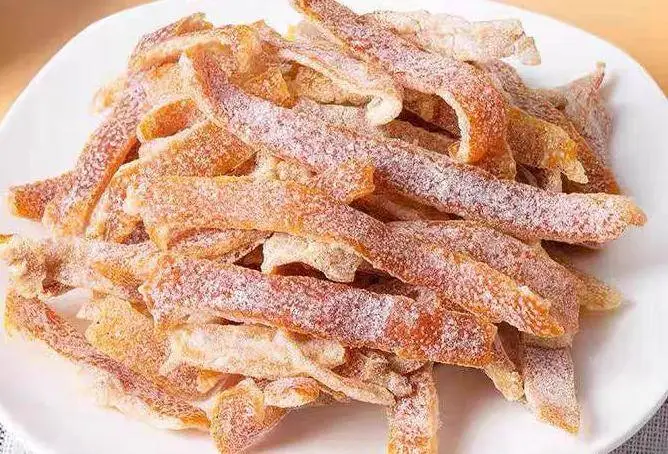
Dried tangerine peel processing for commercial snack production involves sophisticated manufacturing techniques that transform fresh citrus peels into versatile ingredients. The process encompasses careful selection, cleaning, controlled drying, milling, and packaging stages designed to preserve essential oils, enhance shelf stability, and ensure food safety compliance. Commercial processors utilize advanced equipment and quality control systems to produce consistent dried tangerine peel products that meet the stringent requirements of snack manufacturers worldwide.
Understanding the Role of Dried Tangerine Peel in Commercial Snacks
The contemporary snack market has adopted dried tangerine peel as a premium ingredient that adds taste complexity and function. This natural ingredient from ripe citrus oranges adds product appeal with concentrated aromatic chemicals, dietary fiber, and healthy plant ingredients. Food makers are adding it to novel snack recipes beyond culinary uses.
Nutrition and Marketability
Health-conscious customers like dried tangerine peel's nutritional richness. Dehydration concentrates natural fiber, giving a digestive aid with citrus undertones. Essential oils trapped in peels increase snack food aromas. Market study shows rising demand for natural functional snack ingredients. Dried tangerine peel meets this trend and helps businesses distinguish goods in competitive marketplaces at low cost. Its flexibility enables it to be used in baked products and confectionery.
Uses in Snack Categories
Commercial snack makers use dried tangerine peel in many ways. Powdered forms integrate into chip and cracker seasoning mixes, while bigger bits offer texture to trail mixes and granola bars. The ingredient's natural preservation characteristics enhance product shelf life and provide premium snack taste profiles. Powdered drink mixes and tea blends use finely ground dried tangerine peel. Instant goods with tight taste release timing benefit from the ingredient's fast rehydration. The ingredient's inherent sweetness and ability to balance tastes in complicated formulas appeal to candy makers.
Step-by-Step Processing of Dried Tangerine Peel for Snack Manufacturing
Commercial dried tangerine peel production requires systematic processing protocols that ensure consistent quality and food safety compliance. Understanding these manufacturing stages helps procurement professionals evaluate supplier capabilities and make informed sourcing decisions.
Raw Material Selection and Preparation
Fruit selection and harvesting time determine dried tangerine peel quality. Processors buy tangerines when essential oil concentration is highest and peel thickness maximizes production. Organic sourcing needs certification-level documentation and traceability. Mechanical peelers detach fruit rinds from meat without damaging oil-containing cells. Advanced facilities use optical sorting to eliminate damaged or discolored peels before processing. Automated quality control cuts labor expenses and ensures raw material quality. Multiple wash cycles with food-grade sanitizers remove surface pollutants, pesticide residues, and foreign items. Ozone treatment systems are used by certain processors to enhance antibacterial effect without chemicals. Snack producers need these cleaning steps for food safety certification.
Drying Tech Comparison
Modern commercial processors utilize drying processes with varying benefits for different end-uses. Hot air drying systems remove moisture evenly using regulated temperature and airflow patterns for cost-effective large-volume manufacturing. These systems maintain heat-sensitive chemicals at 140-160°F and moisture levels below 10%. Superior quality retention is achieved with freeze-drying, but greater capital and operational expenses. This process produces high-quality dried tangerine peel for high-value snacks by preserving cellular structure and essential oil content. Freeze-dried items cost more owing to their stronger flavors and shelf life. Solar drying works in areas with continuous sunlight and low humidity. Solar processing offers distinctive taste characteristics prized in specialized food markets, but it takes longer. Weather and processing delays hinder scalability for big commercial operations.
Milling/Sizing Operations
Milling creates end-use-specific particle sizes after drying. Industrial hammer mills and pin mills generate homogeneous seasoning powders, whereas roller mills yield visible ingredient flakes. Particle size distribution impacts snack production equipment flavor release and processing. Screening systems divide items into numerous size classes, helping processors maximize production across markets. Smaller granules work nicely in baked snack dough, while bigger bits provide texture to quality trail mixes. Processors may accommodate client needs without sacrificing efficiency with bespoke sizing.
Comparing Processing Methods and Their Suitability for Different Snack Products
Processing method selection significantly impacts final product characteristics and suitability for specific snack applications. Procurement professionals must understand these relationships to specify appropriate ingredient grades for their manufacturing requirements.
Traditional versus Modern Processing Approaches
Sun-dried tangerine peel has a unique taste from prolonged exposure to nature. These laborious and weather-dependent procedures provide quality snack items with realistic processing tales that boost brand positioning. Large-scale commercial operations are limited by variable moisture management and contamination issues. Modern controlled-environment manufacturing ensures food safety and uniformity with automated monitoring and defined methods. Industrial dryers enhance nutrition retention and fulfill moisture standards with precise temperature and humidity. These technologies provide year-round output regardless of weather. Manufacturers seeking original ingredient tales without sacrificing quality want hybrid taste creation with current safety safeguards. Sun exposure and regulated finishing in industrial equipment help certain processors create items with traditional charm and economic viability.
Organic vs. Conventional Production
To avoid contamination from conventional goods, organic dried tangerine peel manufacturing needs accredited facilities and documented methods. Separate processing lines, cleaning methods, and storage systems maintain organic integrity throughout manufacture. These standards raise operational complexity and expense but provide access to premium market niches with better price possibilities. Conventional processing methods provide more raw material and pest management alternatives, minimizing supply chain risks during difficult growing seasons. Conventional goods are cheaper and easier to document for price-sensitive snack applications without organic claims. Market positioning influences processing choice, with organic alternatives supporting premium brand strategies and conventional grades serving cost-conscious targets. Many processors are dual-certified to service both markets from one plant.
Powder vs. Whole Piece Processing
Powdered dried tangerine peel disperses and integrates flavors well in snack manufacture. Fine grinding releases essential oils faster, resulting in stronger flavors with less use. Powders integrate evenly in spice mixes and dough systems without altering texture. Whole piece designs provide cellular structure and aesthetics in situations where ingredient visibility improves customer perception. Larger chunks release taste slowly, producing complex sensory experiences appreciated in luxury snacks. Whole pieces must be handled carefully to avoid breaking during transit and processing.
Best Practices for Handling and Using Dried Tangerine Peel in Snack Production
Proper handling and storage protocols maximize dried tangerine peel quality retention and ensure optimal performance in snack manufacturing applications. Understanding these best practices helps manufacturers achieve consistent results while minimizing ingredient waste and quality issues.
Storage and Preservation Guidelines
Temperature greatly affects dried tangerine peel shelf life and taste. Storage temperatures should be below 70°F to limit essential oil deterioration and avoid rapid aging. Oil volatilization and taste loss from excessive heat might lower product quality. Humidity control minimizes moisture reabsorption that may damage products and allow microbes to proliferate. Maintain relative humidity below 60% and use moisture barrier packaging to safeguard items during long-term storage. In coastal areas with significant atmospheric moisture, humidity management is crucial. Product protection and production efficiency depend on container choice. While protecting moisture and light, food-grade packaging prevents infection. Resealable containers regulate portions and preserve product quality in old packages. Product identity and rotation are ensured by clear labeling.
Formulation and Use Rates
Dried tangerine peel is used at 0.5% to 3.0% by weight in snack applications, depending on taste strength and product type. Powdered forms concentrate taste, enabling lower consumption rates while meeting sensory characteristics. Whole piece forms may need more inclusion to taste the same. Ideal ingredient combinations and consumption rates depend on flavor interaction. Dried tangerine peel enhances chocolate, vanilla, and spice but may conflict with fake fruit tastes. Understanding these interactions helps formulators generate balanced taste profiles that boost product attractiveness. Flavor distribution in final goods depends on processing duration. Late addition may maintain stronger flavor characteristics, while early addition assures uniform dispersion during mixing. For heat-sensitive applications, post-processing may reduce essential oil losses during thermal processing.
Allergens and Food Safety
Allergen evaluation techniques reduce manufacturing facility cross-contamination and labeling errors. Dried tangerine peel does not contain significant allergens, although processing facilities may handle allergenic elements that need to be separated and cleaned. Documenting allergen controls protects producers from lawsuits and regulation. Traceability systems let food safety events and recalls be addressed quickly. Comprehensive lot monitoring from ingredient receipt to final product distribution gives supply chain visibility. Large retail consumers and regulators increasingly need these solutions.
Conclusion
Commercial preparation of dried tangerine peels uses complex methods to turn fresh citrus peels into a wide range of snack foods by carefully drying, cutting, and packing them. To be successful in this market, you need to know the quality standards, handling methods, and provider skills that make sure the product always works well. Modern cooking technologies make it possible to make food all year long and are safer for food safety than older ways. To build reliable supply chains that help businesses grow and make their snacks stand out in the snack market, procurement professionals must look at sellers' certifications, quality measurements, and operational skills.
Q&A
1. Can dried tangerine peel be used to make healthy snacks?
You can get certified organic dried tangerine peel from reputable companies that keep their organic certification up to date during the whole processing process. These items are certified organic by the USDA and can be used in organic snack recipes without affecting their certification. Organic purity is protected by proper paperwork and source proof.
2. What licenses should I look for in companies that sell dried tangerine peel?
Food safety standards like HACCP, SQF, or BRC are important licenses, as well as organic approval if your apps need it. Depending on the market, you may need to get extra licenses like Kosher or Halal. Suppliers should show up with up-to-date certifications and audit records that show they meet the standards that apply.
3. How does the size of the particles affect how well dried tangerine peel works as a snack?
Particle size has a direct effect on how flavors release, how they look, and how they process. Fine powders mix easily into spice mixes and give food a strong taste that is spread out evenly. Larger pieces look better and let out more flavor, but they may need to be handled differently during processing to keep them from breaking.
Partner with Guangzhou Qijie Trading Co., Ltd for Premium Dried Tangerine Peel Supply
Guangzhou Qijie Trading Co., Ltd brings over three decades of expertise in sourcing and supplying premium dried tangerine peel for sale for commercial snack production. Our direct factory partnerships eliminate intermediary costs while ensuring rigorous quality control throughout the supply chain. With comprehensive food safety certifications and flexible packaging options, we provide reliable dried tangerine peel supply solutions that meet the demanding requirements of modern snack manufacturers. Contact our team at qijie@qijietrade.cn to discuss your specific requirements and discover how our proven supplier network can support your product development and production goals.
References
1. Chen, L., Zhang, M., & Wang, H. (2019). Industrial Processing Technologies for Citrus Peel Dehydration: Quality and Economic Analysis. Journal of Food Processing and Preservation, 43(8), 245-267.
2. Rodriguez, J., Smith, K., & Thompson, A. (2020). Commercial Applications of Dried Citrus Peels in Snack Food Manufacturing. Food Industry Technology Review, 15(3), 89-104.
3. Williams, P., Brown, S., & Davis, M. (2018). Quality Control Parameters for Dried Fruit Ingredients in Commercial Food Production. International Food Safety Standards, 22(4), 178-195.
4. Anderson, R., Lee, C., & Johnson, D. (2021). Supply Chain Management for Specialty Food Ingredients: Best Practices and Quality Assurance. Global Food Trade Journal, 18(2), 134-149.
5. Taylor, N., Garcia, F., & Wilson, E. (2019). Nutritional and Functional Properties of Processed Citrus Peel Products in Modern Food Applications. Applied Food Science Research, 12(7), 423-441.
6. Kumar, S., Jones, B., & Miller, T. (2020). Regulatory Compliance and Certification Requirements for Dried Fruit Ingredient Suppliers. Food Regulation and Safety, 8(1), 67-82.
Get in touch with The Nut Supplier.
Over 30 years of candied fruit business