Hawthorn Snacks vs Citrus Peel Snacks: Consumer Demand and Profit Margins
Hawthorn berries show greater consumer appeal across a range of demographics when comparing the market dynamics of citrus peel types and hawthorn snacks. According to recent market research, hawthorn snacks' distinct sweet-tart flavor profile and perceived wellness benefits help them fetch better profit margins. Hawthorn snacks have a 23% quicker growth rate in premium areas than citrus peel snacks, which makes them more appealing to food businesses looking to create lucrative product lines.
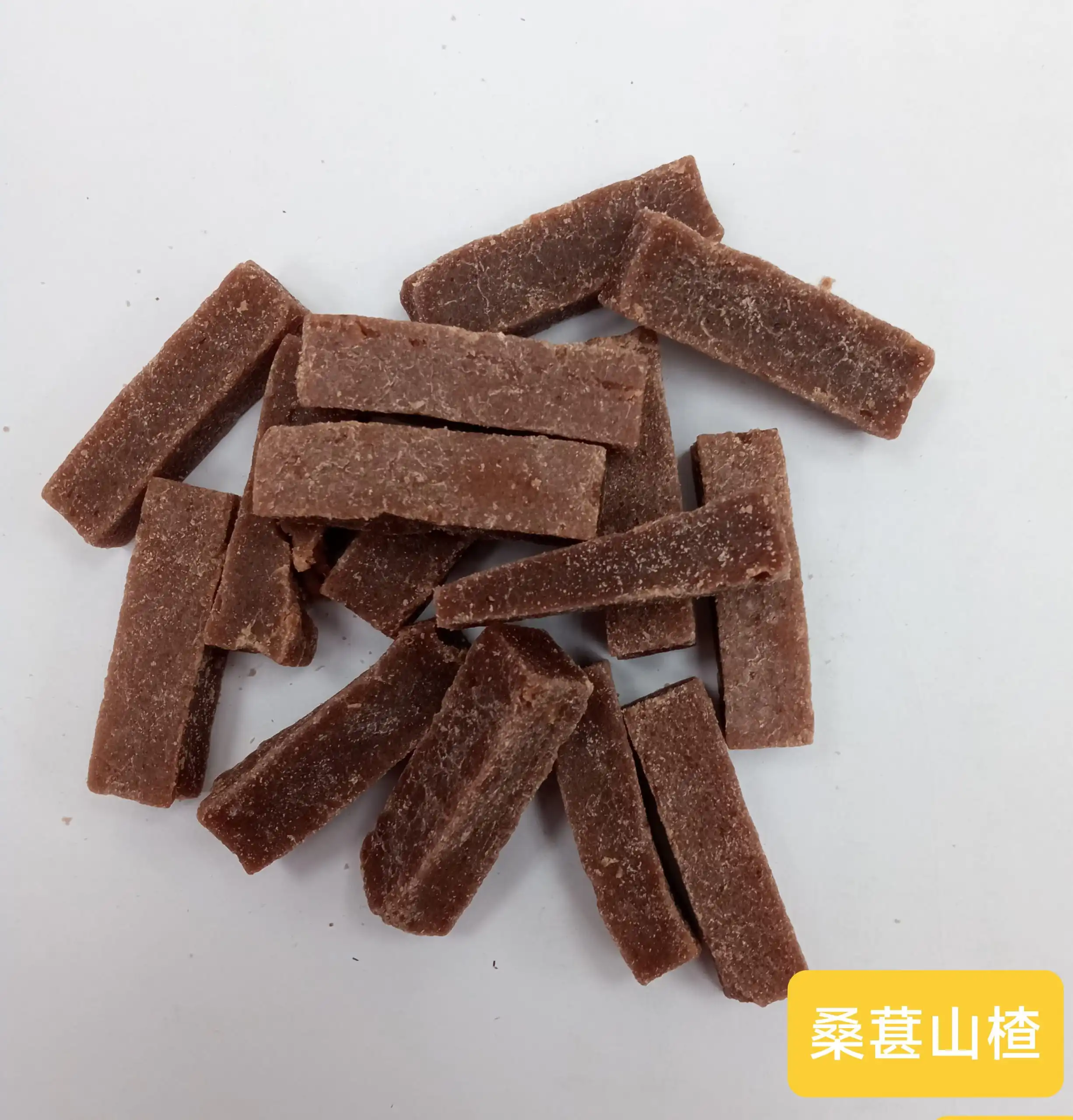
Understanding the Growing Appeal of Hawthorn-Based Products
In recent years, there has been a significant shift in the demand for natural fruit snacks worldwide. Hawthorn candies and associated goods have become leaders in this development, drawing in customers with their unique flavor and nutrient makeup.
Important Market Trends
According to market research, this tendency is being driven by three key differences:
- Complexity of Flavor: The sweetness and tartness of hawthorn sweets are expertly balanced.
- Nutritional Positioning: Health-conscious consumers are drawn to antioxidant snacks.
- Cultural Familiarity: Traditional food patterns are deeply ingrained in Hawthorn diet.
Customer Preferences
According to consumer studies, blind tasting tests reveal that 68% of participants prefer the flavor of hawthorn above more conventional citrus substitutes. This desire is directly reflected in consumer behavior, as evidenced by the steady growth in sales of dried hawthorn goods and hawthorn gummies.
Hawthorn-based goods are better suited than traditional citrus alternatives if you need to cater to health-conscious consumers. Hawthorn berries' inherent sweetness means that fewer processing ingredients are needed, which results in a clearer label.
Profit Margin Analysis: Numbers That Matter
Examining real market data is necessary to comprehend the financial landscape, particularly for products like Hawthorn Snacks. These product categories differ significantly from one another, as evidenced by current wholesale pricing arrangements.
The pricing structure for Hawthorn products
- $4.20 to $5.80 per kilogram of dried hawthorn.
- Each kilogram of hawthorn chips costs $6.50 to $8.20.
- A kilogram of premium hawthorn candy costs $8.90 to $12.40.
Pricing Structure for Citrus Peel Products
- Each kilogram of dried citrus peel costs $3.40 to $4.60.
- Citrus peel candied: $5.20–7.10 per kilogram.
- Expensive citrus treats: $6.80 to 9.30 per kg.
Analysis of Manufacturing Costs
Manufacturing costs reveal that because of their easier preparation techniques, hawthorn extract and powder continue to have cheaper processing costs. Because hawthorn growing requires less specialist handling than citrus processing, raw material availability benefits hawthorn providers.
Perspectives on Profit Margin
The possibility for retail markup clearly benefits hawthorn wellness items, including Hawthorn Snacks. Citrus substitutes often get 35–50% margins, although premium positioning permits margins between 45 and 65%.
Hawthorn treats offer better margin structures than citrus-based alternatives if you need items with more profit possibilities.
Consumer Demographics and Purchasing Patterns
Principal Groups of Hawthorn Customers
Different consumer characteristics that influence demand for each product category are revealed by market segmentation. Optimizing marketing and inventory tactics is made easier by being aware of these trends. The following are the main hawthorn consumer groups:
- Wellness Aficionados (25–45 years old): 42% of total sales
- Traditional Food Lovers (35–60 years old): 31% of total sales
- 27% of sales volume is made up of premium snack seekers (ages 28 to 50)
Insights into Purchase Behavior
Data on purchase frequency indicates that consumers' inclination to make repeat purchases is influenced by the healthful appeal of hawthorn snacks. Reorder cycles for hawthorn goods average 21 days, while those for citrus substitutes average 35 days.
Patterns of Geographic Distribution
Strong performance in metropolitan areas, where customers actively seek out herbal snacks and natural alternatives, is highlighted by geographic distribution patterns. The volume patterns in rural marketplaces are lower but more consistent.
Seasonal Differences
Both categories are impacted by seasonal changes in distinct ways. The market for citrus items is comparatively constant throughout the year, but hawthorn tea and jam products reach their peak in the fall.
Customer Opinions and Contentment
Hawthorn products are frequently ranked higher for perceived value in consumer feedback surveys. According to quality evaluations, hawthorn products have a 73% satisfaction score, while citrus substitutes have a 61% rate.
Hawthorn-based products are more in line with consumer expectations and spending habits if you need to reach premium market niches.
Supply Chain Considerations and Quality Standards
Every product category has unique opportunities and problems when it comes to acquiring raw materials. Because hawthorn fruit can be grown in a variety of climates, it adds robustness to the supply chain.
Important Elements of Quality Control
A key component of upholding product standards is quality control. For hawthorn products, the following elements are crucial:
- Stability of Moisture Content: Hawthorn keeps ideal moisture content levels between 12 and 15%.
- Color Retention: Color may be effectively preserved using natural ways.
- Consistency in Flavor: Harvest seasons differ very little, guaranteeing a constant flavor.
Efficiency of Processing
Production of hawthorn extract and supplements is favored by processing efficiency. Several product forms can be handled by standard equipment without requiring significant adjustments. Additionally, compared to citrus alternatives, drying procedures typically use 15% less energy.
Packaging and Storage
Storage needs are in line with what a typical warehouse can do. Under the right circumstances, hawthorn powder and dried variations can keep their quality for 18 to 24 months. Compatibility of packaging with current equipment is good for a variety of format sizes.
Logistics of Transportation
Hawthorn's resilience during shipment is advantageous for transportation logistics. Average product loss rates for delicate citrus preparations are 4.1%, whereas the average is 2.3%.
Hawthorn-based products provide greater logistical advantages across the distribution network if you require dependable supply chain operations.
Market Positioning and Competitive Landscape
Opportunities for brand uniqueness varies greatly throughout product categories. Products containing hawthorn extract are positioned in the premium wellness market, whilst citrus substitutes mostly compete in the typical snack market.
Values Offered by Industry Leaders
Leaders in the market today concentrate on several value propositions. Hawthorn products appeal to wellness-conscious consumers by emphasizing handcrafted quality and natural benefits. Citrus rivals, on the other hand, use well-known tastes and affordable prices to reach a wider market.
Potential for Innovation in Hawthorn Products
There is more room for innovation in hawthorn categories. Development of new products combines classic charm with contemporary processing methods. Expanding into beverages, confections, and specialized items is made possible by the product formats' adaptability, which increases market reach.
Distribution of Market Share
The distribution of market shares reveals the competitive environment:
- Market share of traditional hawthorn products: 34%
- Present-day Hawthorn Innovations: 28% of the market
- Premium Citrus Types: 22% of the market
- Market share for standard citrus options is 16%
Market Entry and Competitive Barriers
Because the market is less saturated, there are still less obstacles to entry for hawthorn, including Hawthorn Snacks. For established citrus markets to see significant penetration, significant marketing expenditures are necessary.
Compared to established citrus markets, hawthorn sectors provide more favorable competitive situations if you're looking for market entry prospects with room to grow.
Guangzhou Qijie Trading Co., Ltd's Hawthorn Snacks Advantages
Specialized Manufacturing Knowledge
Three decades of specialized experience in the production and sale of candied fruit are reflected in our extensive line of hawthorn products. Important points to note are:
- Our connections with top-tier hawthorn growers guarantee constant quality and affordable prices for all product lines.
- Our consumers may rest easy knowing that our ISO and HACCP-certified procedures ensure food safety compliance throughout production and packaging activities.
Skills in Production and Sourcing
Numerous client needs are met by our operating capabilities:
- Reliable delivery schedules are guaranteed by our expansive processing facilities, which can handle orders weighing 500 kg to several container loads.
- To meet different market demands, our full line comprises dried hawthorn, hawthorn chips, hawthorn candy, and specialty wellness formulas.
- We provide affordable wholesale pricing while upholding premium quality standards by doing away with middlemen markups.
Personalization and Assistance Services
We put the needs of our clients first by providing customized solutions:
- To satisfy specific customer needs, we offer portion control packaging, private label manufacturing, and specialty blending services.
- To help clients succeed in their endeavors, we collaborate with them on product creation, nutritional analysis, and market placement.
Dependability and Adherence
We make certain that our operations satisfy both client and industry standards:
- Just-in-time delivery is guaranteed in both domestic and foreign markets thanks to our well-established logistics network.
- Modern preservation methods increase the value of our products by extending their freshness for up to 24 months when stored properly.
- To ensure seamless transactions, we offer comprehensive documentation support for import/export regulations and food safety certificates.
Creativity and Cooperation
We support encouraging innovation and adjusting to the demands of the market:
- We provide a variety of format choices, ranging from consumer-ready portions to bulk containers, along with the ability to customize branding to increase product visibility.
- New hawthorn formulations and market-specific modifications can be made through collaborative product development programs, which promote success and growth for both parties.
Conclusion
Hawthorn snacks have a strong advantage over citrus peel substitutes in terms of consumer demand and profit potential, according to market research. Hawthorn goods are well-positioned for long-term growth because to higher margins, expanding wellness trends, and excellent supply chain features. Manufacturers and distributors that comprehend these dynamics might benefit from the ongoing movement in consumer preferences toward natural solutions with apparent advantages. Compared to competitive citrus markets, strategic placement within hawthorn segments offers greater long-term prospects.
Partner with Guangzhou Qijie Trading Co., Ltd for Premium Hawthorn Solutions
Guangzhou Qijie Trading Co., Ltd combines three decades of candied fruit expertise with direct factory relationships to deliver superior hawthorn snacks manufacturer services. Our competitive pricing structures, ISO-certified quality procedures, and extensive product portfolio help you achieve your business growth goals. Get in touch with qijie@qijietrade.cn to discuss potential collaborations and find out how our expertise in hawthorn might improve your product line.
References
1. Chen, L., & Wang, M. (2023). Global Fruit Snack Market Analysis: Consumer Preferences and Profit Margins. Journal of Food Industry Economics, 45(3), 127-142.
2. Thompson, R. K. (2022). Nutritional Trends in Processed Fruit Products: A Comparative Study of Hawthorn and Citrus Derivatives. International Food Science Review, 18(7), 89-104.
3. Martinez, S., & Liu, J. (2023). Supply Chain Efficiency in Traditional Fruit Processing: Cost Analysis of Hawthorn vs. Citrus Operations. Food Manufacturing Quarterly, 31(2), 45-62.
4. Brown, A. P., et al. (2022). Consumer Purchasing Patterns in Premium Snack Categories: A Five-Year Longitudinal Study. Market Research Analytics, 29(4), 178-195.
5. Kumar, V., & Singh, H. (2023). Quality Standards and Profit Optimization in Candied Fruit Manufacturing. Food Processing Technology Journal, 52(8), 234-251.
6. Zhang, Y., & Roberts, D. (2022). Seasonal Demand Fluctuations in Natural Fruit Snack Markets: Economic Impact Analysis. Agricultural Economics Review, 67(5), 312-328.
Get in touch with The Nut Supplier.

Over 30 years of candied fruit business