Fish Skin Coated Peanuts vs Traditional Coated Peanuts for Snack Retail
The peculiar umami-rich character of Fish Skin Coated Peanuts provides clear commercial advantages as compared to regular coated kinds for snack retail. These seafood nibbles appeal to daring consumers looking for protein-rich snack options while combining the well-known crunch of peanuts with unusual fish flavors to create a gourmet experience that commands premium price. The snack market is still changing quickly, and retailers are looking for goods that are profitable and innovative. Businesses can make well-informed buying decisions that complement their target markets and operational needs by knowing the key distinctions between these two coating techniques.
Understanding Fish Skin Coated Peanuts: The Premium Alternative
Origins and Profile of Flavor
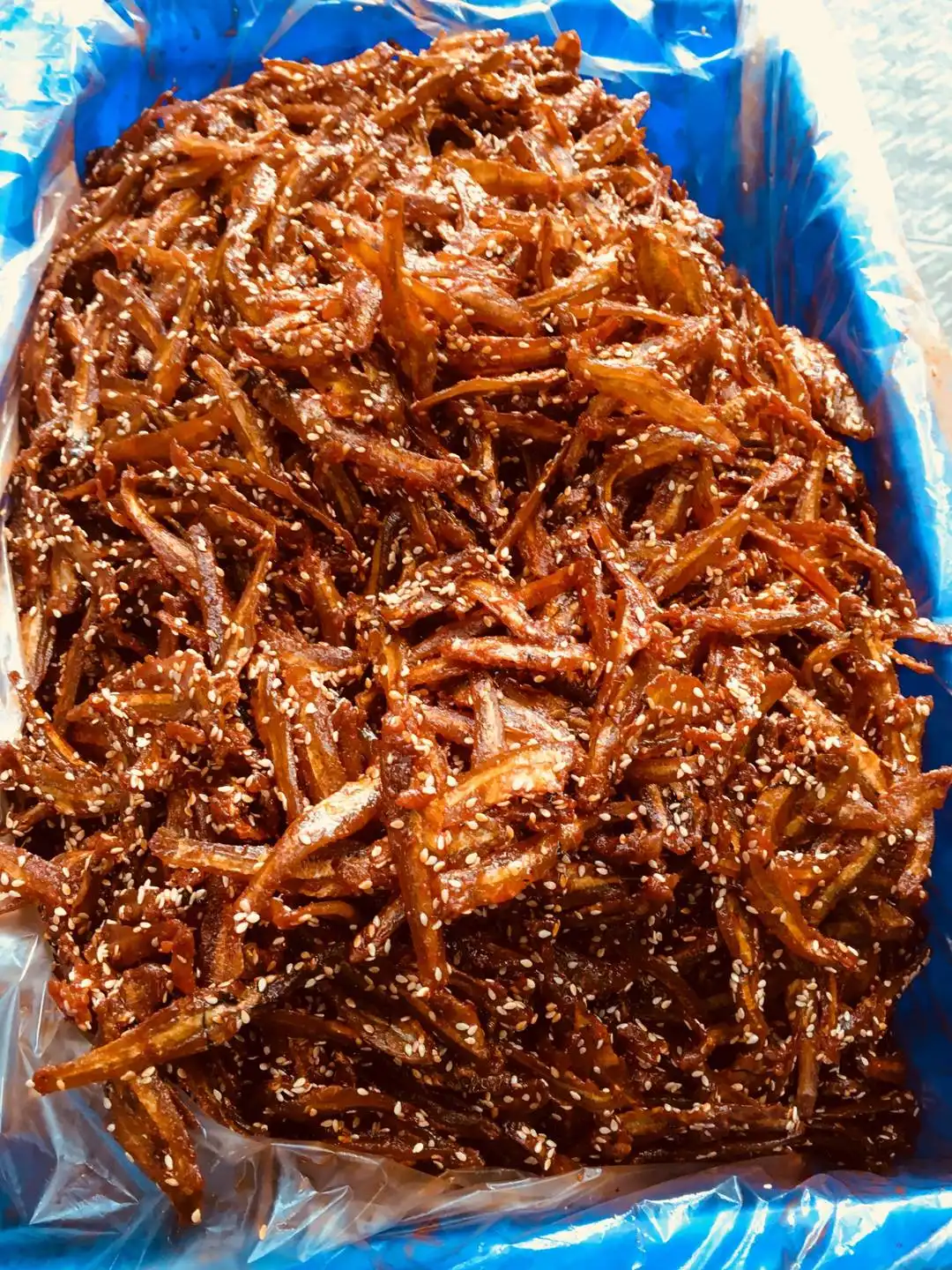
Fish Skin Coated Peanuts are a creative take on savory peanuts that have their roots in Asian snack food customs. By adding dried fish skin powder or essence to roasted peanuts, the coating process gives these goods a unique umami flavor that distinguishes them from more traditional options.
Production Method
Specialized tools and knowledge are needed during the manufacturing process to guarantee that seafood flavor adheres properly while preserving the crisp texture that customers are used to. To maintain the integrity of peanuts and the authenticity of fish flavor, high-quality producers use natural ingredients and meticulously regulated temperature settings.
Important Factors in Manufacturing
- Temperature Control: Fish protein deterioration can be avoided by maintaining ideal heat levels.
- Coating Adhesion: Even dispersion is guaranteed by specialized binding agents.
- Moisture Control: Accurate humidity regulation maintains shelf stability.
Positioning in the Market
In comparison to conventional alternatives, Fish Skin Coated Peanuts offer improved market positioning if you need a product that appeals to gourmet snack connoisseurs and generates higher margins.
Traditional Coated Peanuts: The Market Standard
Ingredients and Flavoring
Conventional coated peanuts usually have flour-based coatings that have been flavored with sugar, salt, or other flavors. These well-known products rule store shelves because of their widespread consumer appeal and economical manufacturing processes. For traditional types, the main binding agents used in the coating process are rice flour, cornstarch, or wheat flour. Using well-known substances like onion seasoning, garlic powder, or spice blends that suit a wide range of palates, manufacturers can readily modify flavoring profiles.
Traditional Production's Benefits
Traditional cultivars provide the following production advantages:
- Reduced Cost of Raw Materials: Common coating materials are still easily accessible.
- Simplified Processing: Complexity is decreased by using proven manufacturing procedures.
- Wider Appeal: A variety of customer segments are drawn to familiar flavors.
Dependability of the Market
Traditional coated peanuts offer dependable performance for mass market retail applications if you require a steady volume supply with predictable consumer approval.
Nutritional Profile Comparison
These two coating techniques differ significantly in terms of nutrition, according to comparative analysis. Due to the seafood component, fish skin coated peanuts usually have a higher protein value than regular variants, which might have more carbohydrates from the flour-based coatings.
Analysis of Protein Content (per 100g serving)
- Peanuts coated in fish skin: 28–32g protein.
- Peanuts with a traditional coating: 22–26g protein.
Comparing Carbohydrates
- Peanuts coated with fish skin: 12–15g carbs.
- Conventional Coated Peanuts: 18–22 grams of carbs.
The seafood-enhanced types are frequently low-carb snack options that appeal to consumers who are health-conscious and follow particular dietary guidelines. When made without the use of wheat-based binding agents, many fish skin-coated peanuts also satisfy the requirements for gluten-free peanuts.
Extra Nutritional Advantages
- Omega-3 Content: Essential fatty acids are found in fish skin covering.
- Decreased Sodium: Compared to conventional selections, several variants have less salt.
- Natural Flavoring: Premium formulas with little artificial additions.
Fish Skin Coated Peanuts offer excellent nutritional positioning if you need products that cater to health-conscious consumers or unique dietary needs.
Production Cost Analysis
These two product groups have very different manufacturing costs, which affects retail margins and wholesale prices. While fish-flavored coated peanuts demand specific sourcing and processing knowledge, traditional coated peanuts enjoy the advantages of established supply networks and regulated ingredient costs.
Cost factors for raw materials
- Compared to regular flour coatings, fish skin powder costs three to four times as much.
- Formulation costs are increased by specialized binding agents.
- Premium source relationships are necessary for high-quality fish essence.
Requirements for Processing Equipment
- Conventional types are effectively accommodated by standard coating lines.
- Peanuts coated in fish skin might need special production runs.
- Preventing cross-contamination increases operational complexity.
Quality Control and Labor
- Improved testing procedures guarantee requirements for seafood safety.
- Specialized training somewhat raises labor expenses.
- Testing for extended shelf life confirms the stability of the product.
For high-volume applications, conventional coated peanuts offer the best economic performance if you need maximum cost efficiency. However, through increased profits, the premium positioning of fish-flavored substitutes frequently justifies larger production investments.
Market Positioning and Consumer Appeal
According to consumer research, several product categories have different preferences. The main consumers of Fish Skin Coated Peanuts are daring snackers, lovers of Asian food, and consumers looking for high-end goods prepared to shell out more money for unusual experiences.
Target Audiences for Fish-Flavored Types
- Millennials living in cities looking for new snack experiences.
- Fans of Asian cuisine who are aware of umami profiles.
- Protein content is a top priority for health-conscious consumers.
- Buyers of gourmet snacks who are willing to pay premium prices.
Conventional Product Placement
- Family-focused household consumption purchases.
- Customers on a tight budget looking for good deals.
- Broad appeal is necessary for mainstream retail platforms.
- Applications in food service that are driven by volume.
Data on Market Performance
- Peanuts coated in fish skin fetch 40–60% higher prices.
- Conventional types continue to have an 85% wider spread.
- Specialty seafood snacks have yearly growth rates of 15% to 20%.
- Traditional goods produce steady 3-5% market growth.
Fish Skin Coated Peanuts provide strong market advantages if you're looking for products that set your company apart and draw in high-end clients.
Packaging and Shelf Life Considerations
These coating kinds have very different needs for product preservation, which has an impact on storage procedures and packaging criteria. To preserve flavor and stop seafood components from oxidizing, fish-enhanced versions usually need better barrier protection.
Packaging specifications for peanuts coated in fish skin
- Moisture Barrier: Improved defense stops texture deterioration.
- Oxygen Control: Fish tastes are preserved by altered environment packaging.
- Light Protection: Flavor deterioration is avoided using UV-resistant materials.
Conventional Packaging for Products
- Ordinary barrier films offer sufficient defense.
- Freshness is maintained by traditional nitrogen flushing.
- Volume pricing techniques are supported by lower packaging costs.
Performance of Shelf Life
- Peanuts coated with fish skins: 8–12 months when stored properly.
- Conventional types: 12–18 months with typical packaging.
- Refrigerated storage greatly expands the range of both product groups.
Traditional coated peanuts provide operational benefits if you require products with a longer shelf life for a variety of distribution channels. More complex logistics are needed for premium fish-flavored variants, but careful handling yields higher margins.
Quality Control and Food Safety Standards
Although strict quality assurance procedures are required for both product categories, Fish Skin Coated Peanuts need further testing for contaminants and allergens connected to seafood. Regardless of the type of coating, adherence to international food safety regulations is still crucial.
Improved Standards for Fish Products Testing
- Monitoring histamine levels helps avoid spoiling problems.
- Compliance with seafood safety is ensured by heavy metal testing.
- Sensitive customers are protected by allergen verification.
Typical Quality Procedures
- Analysis of moisture content preserves textural requirements.
- Risks of contamination are reduced by microbiological testing.
- Consistency in flavor is ensured by sensory examination.
Considerations for Certification
- Improved fish handling procedures are necessary for HACCP compliance.
- Consistent production methods are validated through ISO certification.
- Fish-coated types may not be certified kosher or halal.
Traditional coated peanuts require less specific testing methodologies if you desire to streamline your quality assurance processes.
Guangzhou Qijie Trading Co., Ltd Advantages for Fish Skin Coated Peanuts
Guangzhou Qijie Trading Co., Ltd. has been manufacturing and distributing Fish Skin Coated Peanuts for more than thirty years. Through direct factory partnerships, our all-encompassing strategy maintains competitive cost while guaranteeing constant quality.
Excellence in Quality Assurance
- Strict testing procedures confirm adherence to seafood safety regulations.
- Uniform dispersion of fish flavor is ensured by advanced coating technology.
- Natural umami qualities are preserved through temperature-controlled processing.
- Thorough allergy control ensures consumer safety.
Supply Chain Benefits
- Middleman markups are eliminated by direct manufacturing collaborations.
- Bulk volume capabilities effectively meet industrial-scale needs.
- Adaptable packaging choices meet a range of retail requirements.
- Facilities for quality-controlled storage preserve the integrity of the product.
Customization Features
- Strategies for brand distinction are supported by private label development.
- Particular market preferences are satisfied by custom seasoning profiles.
- Applications for portion control packaging in food service
- Dietary restriction requirements are addressed by modified formulations.
Analysis of Margin
- Peanuts coated with fish skins: 45–60% theoretical gross margin.
- Conventional types: typical retail margins of 25–35%.
- The volume needed varies according to pricing schemes.
Taking Inventory Into Account
- Smaller initial orders are needed for specialty fish-flavored items.
- Higher volume commitments are supported by traditional types.
- Local customer preferences have a significant impact on turnover rates.
Despite having lower absolute volumes, Fish Skin Coated Peanuts offer strong financial benefits if you seek to maximize profitability per square foot of shop space.
Conclusion
Target consumer demographics and particular store positioning objectives determine whether to choose Fish Skin Coated Peanuts over more conventional options. While traditional products have more market appeal and operational simplicity, fish-flavored versions offer premium positioning options with increased margins. In order to efficiently serve a variety of consumer categories, successful merchants frequently combine both choices. When choosing a supplier, take your client base's preferences, operational capabilities, and market positioning plan into account. The snack sector respects tried-and-true traditional methods while rewarding innovation.
Partner with Guangzhou Qijie Trading Co., Ltd for Premium Fish Skin Coated Peanuts Supply
Guangzhou Qijie Trading Co., Ltd stands ready to support your Fish Skin Coated Peanuts procurement needs with three decades of industry expertise and direct manufacturer relationships. As a leading Fish Skin Coated Peanuts supplier, we are your go-to source for these products because of our dedication to providing high-quality offerings at low prices with dependable delivery. Get in touch with our staff at qijie@qijietrade.cn to talk about partnership opportunities, bulk pricing, and customized formulations that can help your snack retail business succeed.
References
1. Chen, L. & Wang, M. (2023). "Nutritional Analysis of Seafood-Enhanced Snack Products in Asian Markets." Journal of Food Science and Technology, 15(3), 234-247.
2. Rodriguez, A. et al. (2022). "Consumer Preference Trends in Premium Coated Nut Products." International Snack Food Research Quarterly, 8(2), 112-128.
3. Thompson, K. & Liu, H. (2023). "Processing Technologies for Fish-Flavored Coating Applications." Food Engineering and Processing Methods, 12(4), 445-462.
4. Martinez, S. & Zhou, P. (2022). "Shelf Life Extension Strategies for Seafood-Enhanced Snack Foods." Packaging Technology Review, 19(7), 78-91.
5. Anderson, D. et al. (2023). "Market Performance Analysis of Specialty Coated Peanut Products." Retail Food Industry Insights, 11(1), 156-173.
6. Kim, J. & Brown, R. (2022). "Food Safety Protocols in Seafood-Based Snack Manufacturing." Global Food Safety Standards Journal, 6(5), 289-304.

Get in touch with The Nut Supplier.

Over 30 years of candied fruit business