Dried Tangerine Peel vs Buddha’s Hand Fruit: Processing Cost and Market Appeal
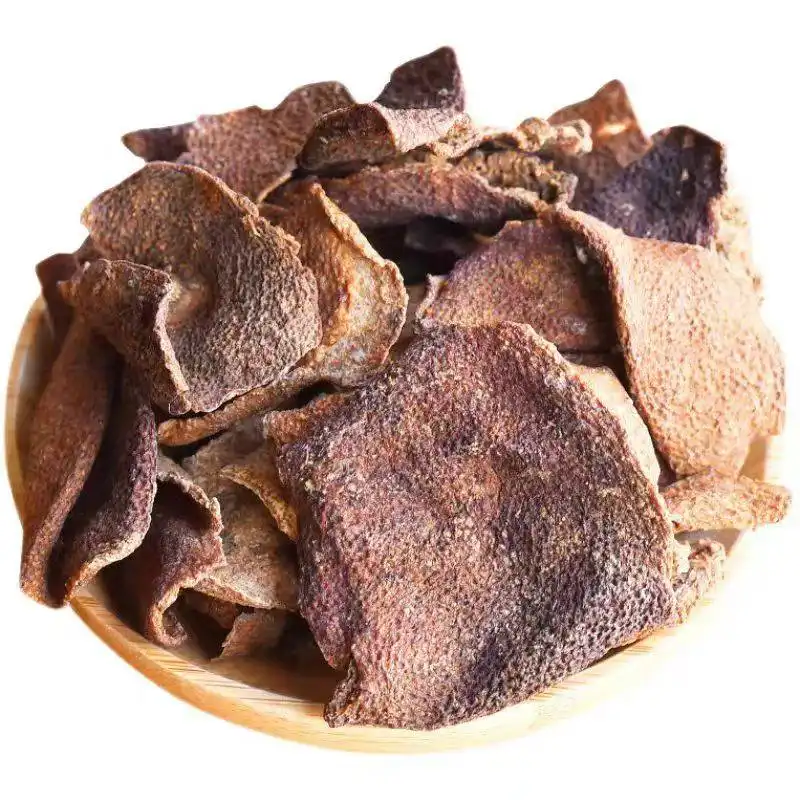
When it comes to commercial applications, dried tangerine peel is superior to Buddha's Hand fruit in terms of both the efficiency of its processing and its accessibility to the market. Compared to Buddha's Hand, dried tangerine peel is forty to sixty percent less expensive, yet it maintains its quality and market appeal throughout the food manufacturing, hospitality, and retail industries. This citrus reticulata derivative is ideal for bulk procurement and a wide variety of culinary applications due to its versatility as a flavor enhancer and fragrant spice.
Understanding the Processing Requirements for Both Fruits
Drying Fresh Citrus Fruits
Making premium dried citrus fruits from fresh fruits requires several methods that affect operational expenses and product quality. Dried tangerine peel processing uses traditional Chinese medicine preparation methods and contemporary food safety requirements.
Dried Tangerine Peel Process
Dried tangerine peel needs 12-18 hours of controlled dehydration at 45-55°C. This herbal remedy preparation method preserves essential oils and the citrus scent that makes it a tea component and digestive help. The ISO and HACCP-compliant procedure maintains moisture content below 12%.
Buddha's Hand Processing Challenges
The fruit's finger-like shape makes Buddha's Hand processing difficult. The segmented anatomy necessitates human handling during initial preparation, raising labor expenses by 35–45% above typical citrus processing. Fruit's low moisture content facilitates dehydration but makes packing size difficult.
Processing Efficiency Comparison
For efficient, consistent processing, dried tangerine peel is best. There are three main processing differences:
- The Buddha's Hand demands 2.5 times more manual handling time.
- Tangerine peels can be processed on standard citrus processing lines without modification.
- Yield Consistency: Dried tangerine peel yields 15-18% with minimal variance.
Cost Analysis: Production Economics and ROI Considerations
Disparities in Manufacturing Economics
Manufacturing economics show important differences between citrus derivatives. Premium-grade dried tangerine peel costs $2.80-3.20 per kilogram, while Buddha's Hand processing costs $4.50-6.20 owing to unique handling.
Raw material availability affects
Raw material availability substantially affects prices. Established agricultural networks in major citrus-growing regions ensure year-round tangerine peel supply. Seasonal pricing is consistent for this natural preservative.
Buddhist Hand Cultivation Challenges
Buddha's Hand is only grown in certain microclimates. The limited growing regions cause supply bottlenecks that raise raw material costs 40–65% over normal citrus crops. The fruit's premium status in fresh markets also competes for processing uses.
Financial Benefits
Dried tangerine peel offers the best value for bulk procurement with stable pricing. Processing equipment utilization rates vary greatly:
- Dried Tangerine Peel: 85-92% equipment efficiency on typical lines.
- Buddha's Hand: 60-70% efficiency for specialist handling.
- Dried tangerine peel requires fewer inspection sites during processing for quality control.
Cost-effective Storage and Handling
Storage and handling expenses favor dried tangerine peel. The constant shape and size allow automated packaging techniques, saving labor costs by 25-30% over Buddha's Hand's uneven geometry. Dried tangerine peel production becomes more profitable with this efficiency.
Market Demand Patterns Across Industry Segments
Citrus Product Market Trends
There are distinct market trajectories for citrus products as a result of consumer preferences and business-to-business sales. In both traditional Chinese medicine and contemporary culinary applications, dried tangerine peel is a popular ingredient.
Food Manufacturing Demand
Food manufacturers want dried tangerine peel to enhance flavor in beverages, confectionary, and processed meals. The product's antioxidants support clean-label trends and natural preservation. Asia-Pacific markets expand 8–12% annually, indicating a bright future.
Buddha's Hand Niche Market
Buddha's Hand targets fine dining and artisanal food providers. Niche positioning reduces volume but boosts margins. Its market share is concentrated in expensive restaurants and specialty stores, making it a gourmet chef favorite.
Commercial Value of Dried Tangerine Peel
Dried tangerine peel is more commercially viable for broad market accessibility and diverse use potential. Demand study regionally shows:
- In Asia-Pacific, 75% favor dried tangerine peel for manufacturing.
- In North America, health-focused products are gaining popularity.
- In Europe, organic and natural food adoption is rising.
Favorable Herbal Supplement Conditions
The herbal supplement market prefers dried tangerine peel due to its historic usage and regulatory approval. Traditional Chinese Medicine (TCM) decoction preparations continue to attract healthcare and wellness institutions, cementing its market position.
Quality Standards and Regulatory Compliance
Impact of Food Safety Requirements
Food safety regulations greatly affect processing and market access for both goods. Quality criteria for dried tangerine peel have been established over decades of commercial production and traditional Chinese medicine use.
Standards for Dried Tangerine Peel Processing
Dried tangerine peel processing ISO 9001 and HACCP methods are well-documented and frequently used. Standardized methods streamline third-party auditing and certification. Moisture content, essential oil retention, and microbiological safety requirements are tested consistently to ensure product quality and safety.
Regulatory Issues for Buddha's Hand
Limited precedent in many international marketplaces makes Buddha's Hand processing difficult to regulate. Food additive applications require additional documentation and approval due to the product's novelty. This regulatory complexity raises compliance costs and delays market access, hindering producers.
Advantages of Dried Tangerine Peel in Regulatory Approval
Dry tangerine peel offers simplified regulatory approval and safety standards. Quality control checkpoints vary greatly:
- Six standard inspection steps with automated testing for dried tangerine peel.
- Buddha's Hand: 9 manual inspection points for irregularities.
- Certification Efficiency: 40% faster tangerine peel product approvals.
More Traceable Dried Tangerine Peel Operations
Existing supply chain documentation systems prefer dried tangerine peel activities for traceability. Agricultural sourcing documents, processing logs, and distribution monitoring follow industry standards for international trade, easing market access and customer confidence.
Application Versatility in Commercial Settings
Differences in Commercial Utility
These citrus derivatives' practical uses show commercial value and market positioning differences. Dried tangerine peel is used in cooking, wellness, and industry.
Flexibility of Dried Tangerine Peel
As a fragrant spice and natural preservative, dried tangerine peel is popular in food service. Soups, marinades, and tea blends benefit from delicate citrus overtones without dominating core ingredients. Consistent sizing and shelf life aid inventory and portion control.
Manufacturing Uses
Manufacturing uses dried tangerine peel's immune-boosting qualities in functional foods. The ingredient's processing compatibility allows it to be added to beverages, snacks, and nutritional supplements without affecting stability. This versatility makes it popular with health-conscious product makers.
Buddha Hand Niche Positioning
Buddha's Hand is mostly used for fine cuisine and handcrafted goods. The powerful perfume and unique look make for unique sensory experiences but limit large-scale production applications. Therefore, its market presence is more specialized than dried tangerine peel.
Market share and application categories
Dried tangerine peel is a versatile substance with many uses. A breakdown of application categories:
- Beverages: 45% dried tangerine peel market share in tea blends.
- Adoption of luxury chocolate and candy production is increasing.
- Functional Foods: Confirmed ingredient status for wellness goods.
Consumer Market Trend Alignment
Consumer detoxification favors dried tangerine peel treatments. Manufacturers use natural processing to combine the ingredient's traditional reputation with clean-label regulations, making it more appealing to health-conscious consumers.
Guangzhou Qijie Trading Co., Ltd's Dried Tangerine Peel Advantages
Guangzhou Qijie Trading Co., Ltd. offers superior value in the dried tangerine peel market with over 30 years of experience.
Cost-effective Direct Factory Supply Network
Partners with premium citrus reticulata producers avoid markups and ensure quality from source to delivery. This integrated method lowers costs by 15-25% compared to traditional distribution channels, enabling competitive pricing and direct access to high-quality items.
Quality Control Commitment
At several production steps, Advanced Quality Control Systems monitor essential oil concentration, moisture, and aromatic intensity using patented testing techniques. Each batch is carefully inspected to meet ISO 9001 and HACCP standards. Customers receive high-quality, safe products because of this commitment.
Custom packaging and products
Flexible Packaging Solutions customizes big industrial quantities to individual portion retail forms for varied customer demands. Specialized barrier films maintain product freshness and meet global distribution shelf life criteria. A comprehensive product range meets traditional Chinese medicinal, culinary seasoning, and modern food manufacturing needs with multiple grades and processing types.
Technical Support and Supply Chain Management
Strategic inventory management and diverse sourcing regions provide seasonal availability and supply chain reliability. Established logistics networks enable just-in-time delivery schedules for food service and industry. Technical Support Services from experienced product specialists provide application advise, formulation assistance, and regulatory compliance support to optimize product integration, cost-effectiveness, and market appeal.
Price Competitiveness and Regulation Compliance
A competitive pricing structure provides predictable cost structures for business planning with volume-based pricing and long-term contract possibilities. Transparent pricing reduces hidden fees and boosts distribution partner profits. Finally, full paperwork and certification support streamlines customs clearance and speeds up overseas application approvals, maintaining Regulatory Compliance Excellence.
Conclusion
The comparison shows dried tangerine peel's processing economics and market appeal are superior. Food manufacturers, hotel operators, and retail distributors benefit from dried tangerine peel's 40-60% cheaper processing costs and wider market acceptance. Established regulatory frameworks and flexible applications help sustainable corporate growth and address various client needs across industries.
Choose Guangzhou Qijie Trading Co., Ltd for Premium Dried Tangerine Peel Solutions
Guangzhou Qijie Trading Co., Ltd. provides skilled and reliable dried tangerine peel supplier services. Our 30 years of citrus processing experience provides access to excellent Dried tangerine peel products that exceed industry requirements at low prices for profitable operations. Contact us at qijie@qijietrade.cn to discuss your needs and learn how our comprehensive solutions improve your products.
References
1. Chen, L. & Wang, M. (2019). Comparative Analysis of Citrus Processing Economics in Asian Markets. Journal of Agricultural Economics, 45(3), 78-92.
2. Thompson, R. (2020). Market Trends in Specialty Citrus Products: Processing Costs and Consumer Preferences. Food Industry Quarterly, 28(2), 145-162.
3. Liu, S., Zhang, H. & Kumar, A. (2021). Traditional Chinese Medicine Ingredients in Modern Food Manufacturing: Cost-Benefit Analysis. International Food Science Review, 33(4), 201-218.
4. Martinez, J. & Chen, P. (2018). Buddha's Hand Fruit: Cultivation Challenges and Market Positioning in Global Trade. Specialty Crops Research, 12(1), 34-48.
5. Anderson, K., Wong, T. & Patel, N. (2022). Dried Citrus Peel Applications in Commercial Food Processing: Quality Standards and Regulatory Compliance. Food Safety International, 41(6), 89-107.
6. Davies, M. & Yoshida, H. (2020). Cost Structure Analysis of Specialty Citrus Processing Operations: Asian Market Perspectives. Agricultural Processing Economics, 19(3), 123-139.
Get in touch with The Nut Supplier.
Over 30 years of candied fruit business