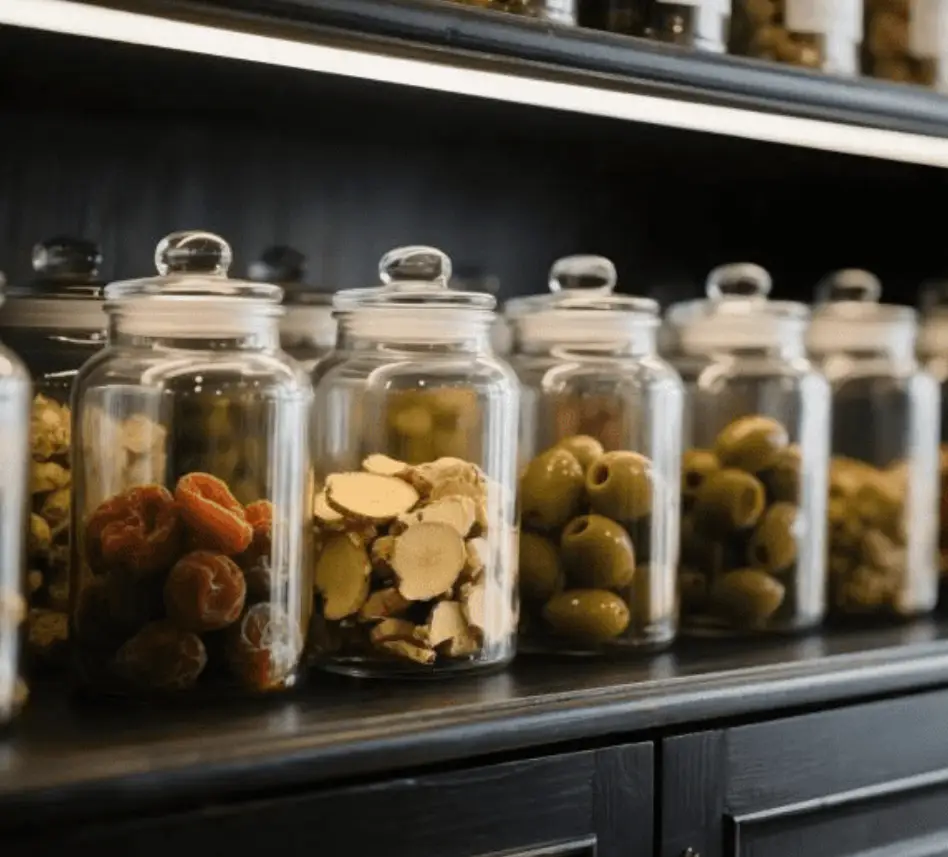
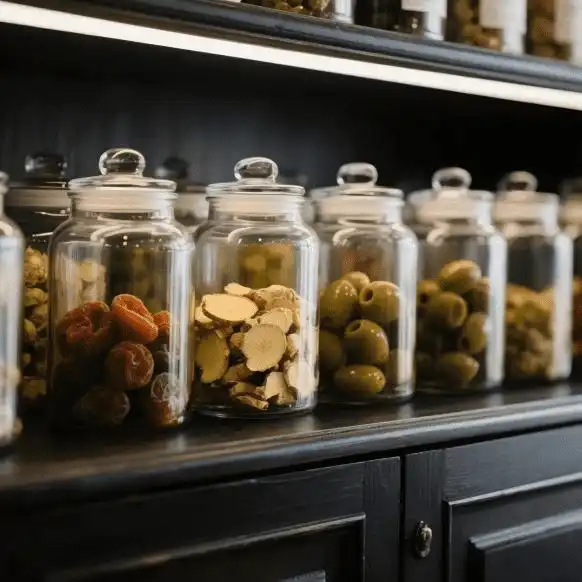
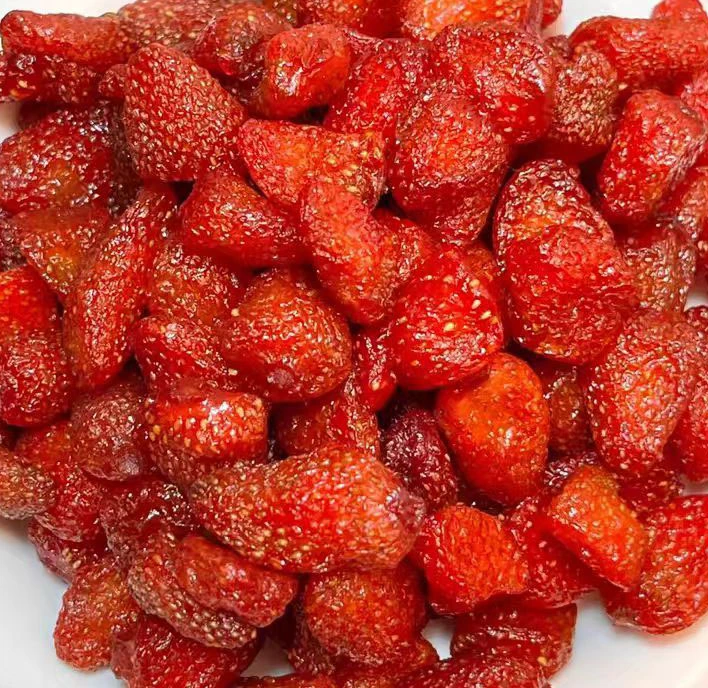
Bringing good spicy olives from China to Singapore is the best way for companies to get good goods at low costs. Gourmet olives, marinated olives, and specialty olive snacks can all be bought in China. This is because China has modern processing facilities, strict quality control systems, and a well-established export infrastructure. Chinese suppliers, such as Guangzhou Qijie Trading Co., Ltd, have been preserving fruit for more than 30 years. They offer direct factory supply to ensure consistent quality, the ability to handle large volumes, and cost-effective solutions that meet international food safety standards.

Why should you buy Chinese spicy olives?
Processing with new infrastructure and tech
China's olive processing industry uses cutting edge technology to make spicy Mediterranean flavors that are just as good as those made by European companies that have been around for a long time. Modern factories use cutting edge packaging technologies, smart temperature controls, and automated systems for marinating that keep the flavor of chili olives while also making them last longer. Because the country spends a lot on research and development, there are now new ways to season olives that make them taste better and be healthier.
There are low prices and economies of scale.
If you buy from Chinese companies, you can save a lot of money without giving up quality. Prices stay low because everyone in the supply chain works together, from getting the raw materials to selling the finished gourmet olives. This is good for food manufacturers, hotels, and stores. Costs are 20 to 35 percent less than in Europe when you work directly with factories instead of going through a middleman.
Making sure of quality and following rules from other countries
China suppliers with a good name always follow the rules for ISO 22000, HACCP, and BRC. Every step of the process is checked for quality, from picking out the olives to putting the spicy snacks in the boxes. Food safety rules in Singapore and rules for exporting to other countries are regularly checked and certified by a third party.
How to Read and Understand Quality Standards and Technical Specifications
Important Things to Look for in Spicy Olives
Experts say that for high-end olive snacks to be good, they need to have the right amount of moisture (65-75%), salt concentration (6–8%), pH levels (3.8–4.2), and spice blend ratios. It should keep its shape while still letting the marinade soak in well. Suppliers who work for businesses always keep an eye on quality indicators like even color, size, and the lack of flaws.
Rules for the materials and ingredients
To make good spicy olives, you need Grade-A olives, natural spices, and food-grade preservatives. The base of the olive tapenade should be made with Castelvetrano or Kalamata olives for the best texture and flavor. It is important to be picky about where you get the ingredients for chili and to make sure they are safe for microbes, heavy metals, and pesticide residues.
Standards and measures of performance for the industry
Professional suppliers keep an eye on things like the number of defects (less than 2%), the number of happy customers (above 95%), and the number of deliveries that are made on time (98%+). Because of these rules, the olive antipasto and bulk food service deliveries will always be of the same high quality.
How to follow the rules and what you need to know about them
How to bring olives into Singapore
The Singapore Food Agency (SFA) needs paper work for olives that are brought into the country. This includes health certificates, lists of ingredients, and proof that the nutrition labels are correct. There should be allergens on the labels of foods that go well with spicy foods that are easy to read. There are also English language requirements in their home country. People who want to bring food into the country must first sign up with SFA's food import system.
A number of important documents and certificates
You need halal, ISO 22000, and HACCP compliance certificates if you want to sell spicy olives to Muslims. A phytosanitary certificate, an export license from the Chinese government, and a proof of origin certificate can all make it easier to go through customs. You can avoid delays and make sure that all the rules are followed during the whole import process if you have the right paperwork.
What You Need to Ship and Label Things
Tags in Singapore need to follow certain rules, like how to write the expiration date and how to arrange the ingredient lists so that the lightest ones are at the top. It must be easy to find out who made the food, who brought it in, and where it came from with the materials that are used to package it. People need to read spice labels very carefully to make sure they stay safe and follow the rules.
Things to Think About: Cost Structure and Money
A full breakdown of the costs
The total landed costs include the price of the goods, shipping costs, customs duties, handling fees, and delivery costs in the same country. A lot of the time, the cost of the product makes up 60 to 70% of the total cost, while the cost of shipping and logistics makes up 20 to 25%. Customs fees, GST, and handling fees make up the last 10 to 15 percent. You can accurately set prices and plan your margins if you understand these parts.
Secret Fees and Making a Bank Account
Some of the other costs that come up are quality checks, shipping samples, paperwork fees, and maybe even storage fees. Total costs can change because of changes in currency. For large orders, hedging strategies are helpful. When you make your budget, you should account for delays, poor quality, or changes in rules that could affect how long it takes to import something or how much it costs.
Taking care of payment risk and security
Set up payment terms that work for both you and your suppliers and your cash flow. Partially paid in advance (30–50%) shows commitment while still letting you control quality. When you make a final payment after a satisfactory delivery, you protect against changes in quality. You might want to look into trade finance or escrow services if you wish to do a lot of business with new suppliers.
Supply Chain Reliability and Logistics Management
Production Lead Times and Planning
Typical production lead times for spicy olives products range from 15-25 days depending on order complexity and customization requirements. Seasonal demand fluctuations, Chinese holiday schedules, and raw material availability can extend timelines. Effective planning includes buffer time for quality inspections, documentation preparation, and potential production delays.
Shipping and Port Efficiency
China's major ports including Shanghai, Shenzhen, and Guangzhou offer excellent connectivity to Singapore with transit times of 7-12 days. Port infrastructure efficiency, customs processing speed, and documentation accuracy significantly impact delivery schedules. Partner with experienced freight forwarders familiar with olive product requirements and Singapore customs procedures.
Inventory Management and Storage Solutions
Plan inventory levels considering lead times, demand forecasting, and storage limitations. Olive products require proper temperature control and humidity management to maintain quality. Consider Singapore's warehouse facilities for bulk storage or explore just-in-time delivery options for foodservice applications requiring fresh inventory rotation.
Communication and Business Relationship Management
Effective Communication Strategies
Establish clear communication protocols including regular update schedules, quality reporting requirements, and escalation procedures for issues. Utilize multiple communication channels including email, video conferencing, and instant messaging for different purposes. Document all agreements, changes, and decisions to prevent misunderstandings and facilitate smooth business operations.
Building Long-term Partnerships
Successful sourcing relationships require mutual respect, fair payment terms, and reasonable quality expectations. Provide constructive feedback, acknowledge good performance, and maintain consistent communication even during non-ordering periods. Long-term partnerships often yield better pricing, priority production scheduling, and customized product development opportunities.
Cultural Considerations and Best Practices
Understanding Chinese business culture enhances relationship building and negotiation effectiveness. Respect for hierarchy, patience during decision-making processes, and face-saving approaches to problem resolution improve communication outcomes. Building personal relationships alongside business connections creates stronger, more resilient supply chain partnerships.
Why Guangzhou Qijie Trading Co., Ltd is Your Ideal Import Partner
Since 1988, Guangzhou Qijie Trading Co., Ltd has specialized in direct factory supply of premium preserved fruit and olive products. Their extensive experience in candied fruit business translates directly to exceptional expertise in olive bruschetta ingredients and specialty spicy appetizer products. This deep industry knowledge ensures reliable quality control, efficient production processes, and comprehensive understanding of international market requirements.
Guangzhou Qijie maintains strict quality control systems from source selection through final packaging. Their direct factory partnerships enable comprehensive quality monitoring throughout production processes. The company's commitment to food safety standards ensures all olive platter products meet international certifications including ISO, HACCP, and other relevant quality management systems.
Direct factory supply eliminates intermediary markups, providing significant cost advantages while maintaining premium quality. Their established supplier network ensures stable product availability and competitive pricing structures. The company satisfies both B2B wholesale requirements and retail market needs through flexible order quantities and efficient delivery systems.
Conclusion
Sourcing high-quality spicy olives from China represents a strategic opportunity for Singapore businesses seeking premium products at competitive prices. Success requires careful supplier selection, thorough quality evaluation, and comprehensive understanding of import regulations. Chinese suppliers offer advanced processing capabilities, stringent quality control, and cost-effective solutions that meet diverse market needs. Proper planning, clear communication, and strong supplier relationships form the foundation of successful import operations. With experienced partners like Guangzhou Qijie Trading Co., Ltd, businesses can access reliable supply chains, consistent quality, and competitive pricing advantages that drive market success.
Frequently Asked Questions
Q1: What are the minimum order quantities for importing spicy olives from China?
A: Minimum order quantities typically range from 500kg to 1 ton depending on the supplier and product specifications. Larger orders often qualify for better pricing and more flexible customization options. Some suppliers offer smaller trial orders for new customers to evaluate quality before committing to larger volumes.
Q2: How long does the complete import process take from order placement to delivery?
A: The total process typically takes 4-6 weeks including production (15-25 days), shipping (7-12 days), and customs clearance (2-5 days). Factors affecting timelines include order complexity, seasonal demand, documentation accuracy, and customs processing efficiency. Proper planning and experienced logistics partners help minimize delays.
Q3: What certifications should I look for when selecting a spicy olive supplier in China?
A: Essential certifications include HACCP, ISO 22000, BRC for food safety, and export licenses from Chinese authorities. Additional certifications like halal, organic, or specific country import permits may be required depending on your target market. Always verify certification validity and scope before finalizing supplier selection.
Q4: How can I ensure consistent quality across multiple shipments?
A: Establish detailed quality specifications including sensory parameters, chemical composition, and packaging standards. Implement regular quality audits, require batch testing reports, and maintain open communication channels with suppliers. Consider third-party inspection services and maintain sample archives for quality comparison across shipments.
Work with Guangzhou Qijie Trading Co., Ltd. to get high-quality spicy olives
Guangzhou Qijie Trading Co., Ltd is ready to become your reliable source for spicy olives. They have been in the preserved fruit business for over 30 years. Our direct factory supply model guarantees low prices without lowering quality standards, and our thorough quality control systems make sure that all of our products are consistent and meet international standards for food safety. No matter if you need large amounts to make food, high-quality packaging for selling it in stores, or convenient portions for food service, our experienced team can make solutions that fit your needs. You can add more olive products to your collection by using our established supply networks, low prices, and track record of successful exports. Are you ready to look into ways to get high-quality spicy olives for sale? Email us at qijie@qijietrade.cn to talk about your needs and get detailed quotes that are made to fit your business.
References
1. Ministry of Trade and Industry Singapore. "Food Import Regulations and Compliance Guidelines for Processed Food Products." Singapore Government Publication, 2023.
2. Chen, Li Wei. "Quality Control Systems in Chinese Food Processing Industries: A Comprehensive Analysis." Journal of Food Safety and Quality Management, Vol. 45, 2023.
3. Singapore Food Agency. "Import Procedures and Documentation Requirements for Preserved Food Products." Official SFA Guidelines, 2023.
4. International Olive Council. "Global Olive Processing Standards and Quality Specifications." Technical Publication Series, 2023.
5. Asian Development Bank. "Trade Finance and Supply Chain Management in ASEAN Food Import Markets." Regional Cooperation Publication, 2023.
6. Zhang, Ming Hua. "Evolution of China's Food Export Industry: Quality Systems and International Competitiveness." China Agricultural Economics Review, Vol. 28, 2023.