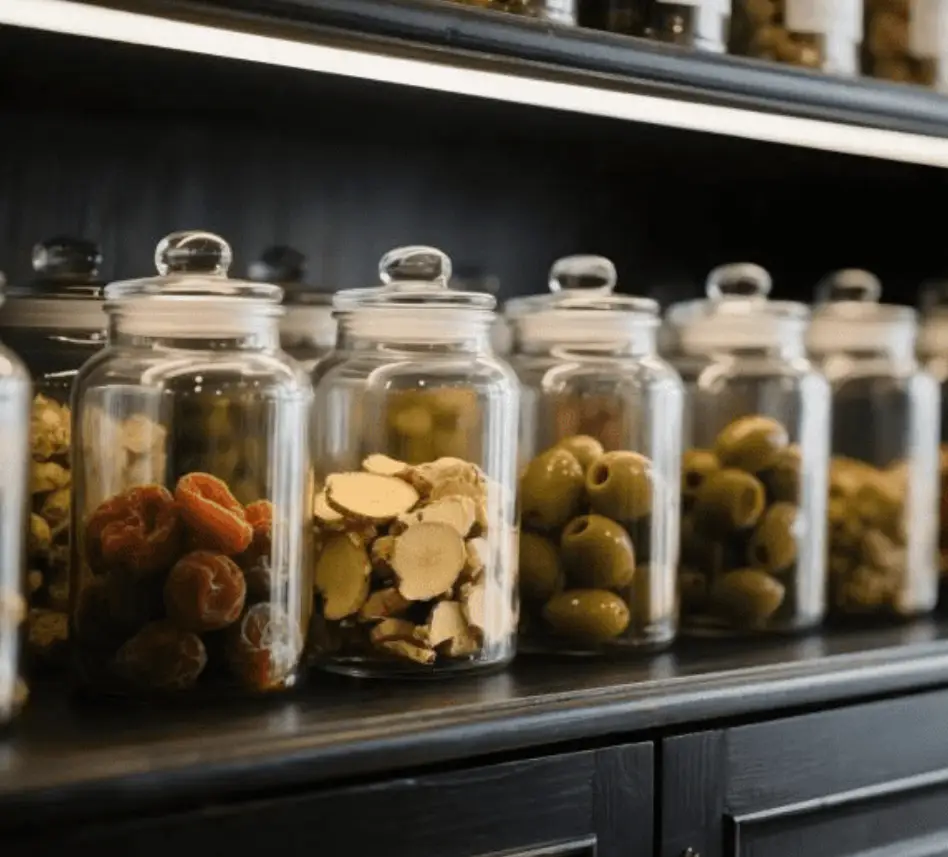
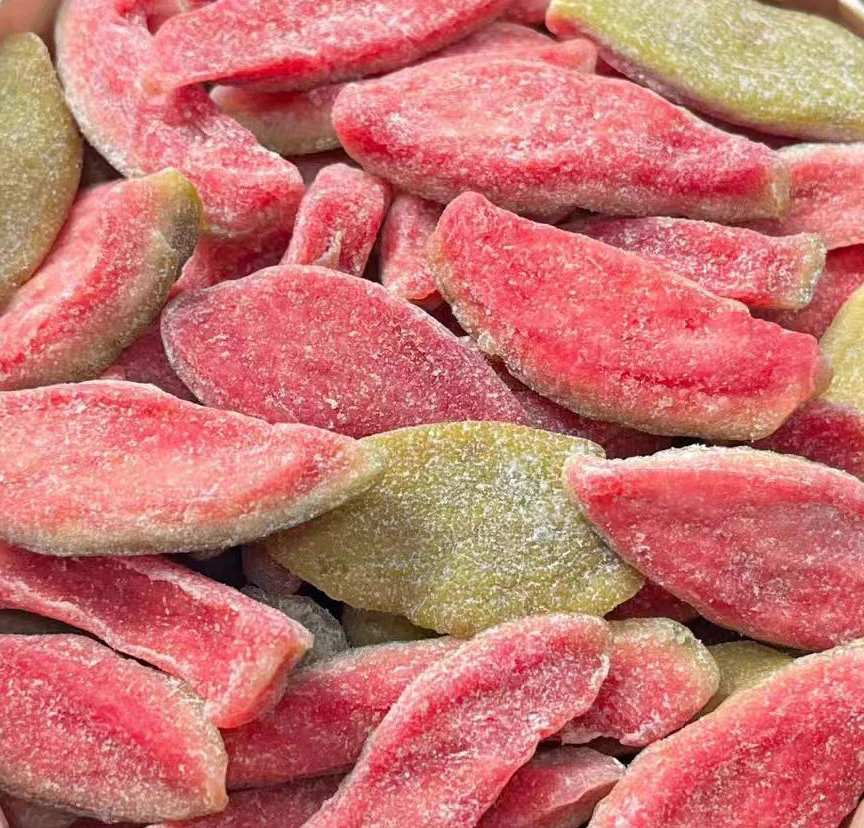
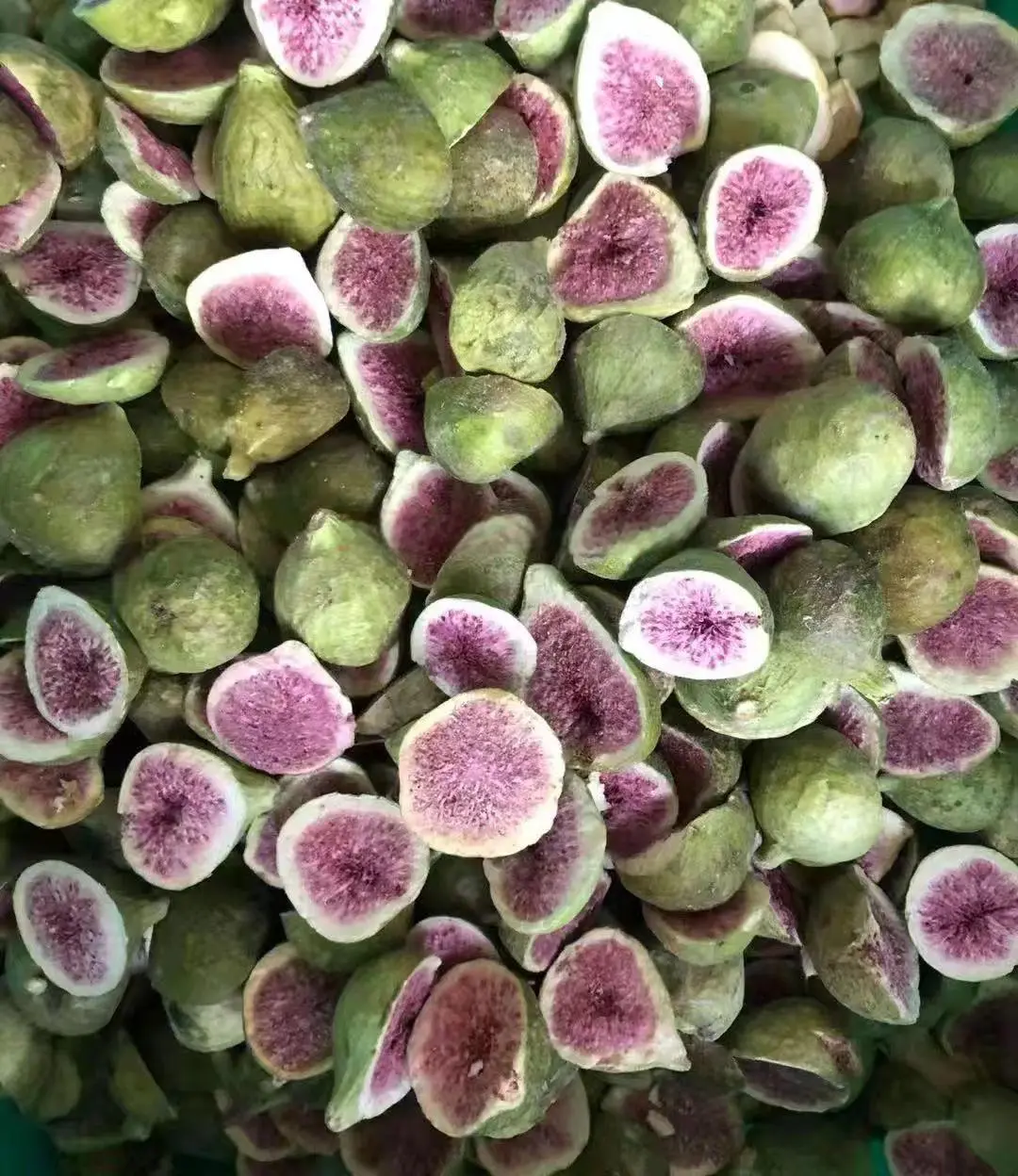
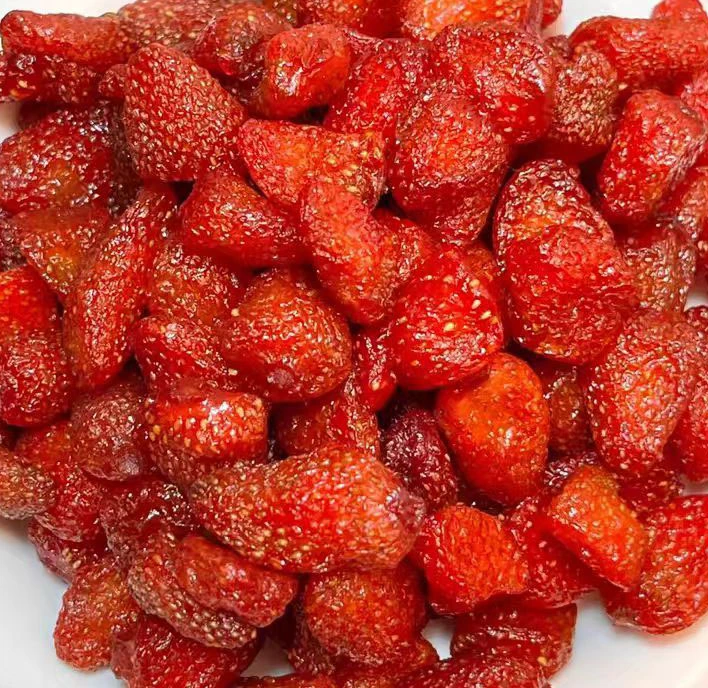
These high-quality dried figs from Xinjiang are a great deal for people in the US who want to bring in fresh fruit. Right now, prices depend on grade and range from $2.80 to $4.50 per kilogram FOB China. Because of its unique climate, Xinjiang grows dried figs that are naturally sweet and full of nutrients. They have a better texture and last longer. The prices of these goods are fair, and they meet strict international food safety standards. Also, they are a lot less expensive than European goods that are the same. People who make, sell, or host events in the United States love Xinjiang dried figs because they are always available in large quantities thanks to the area's well-established supply chains.
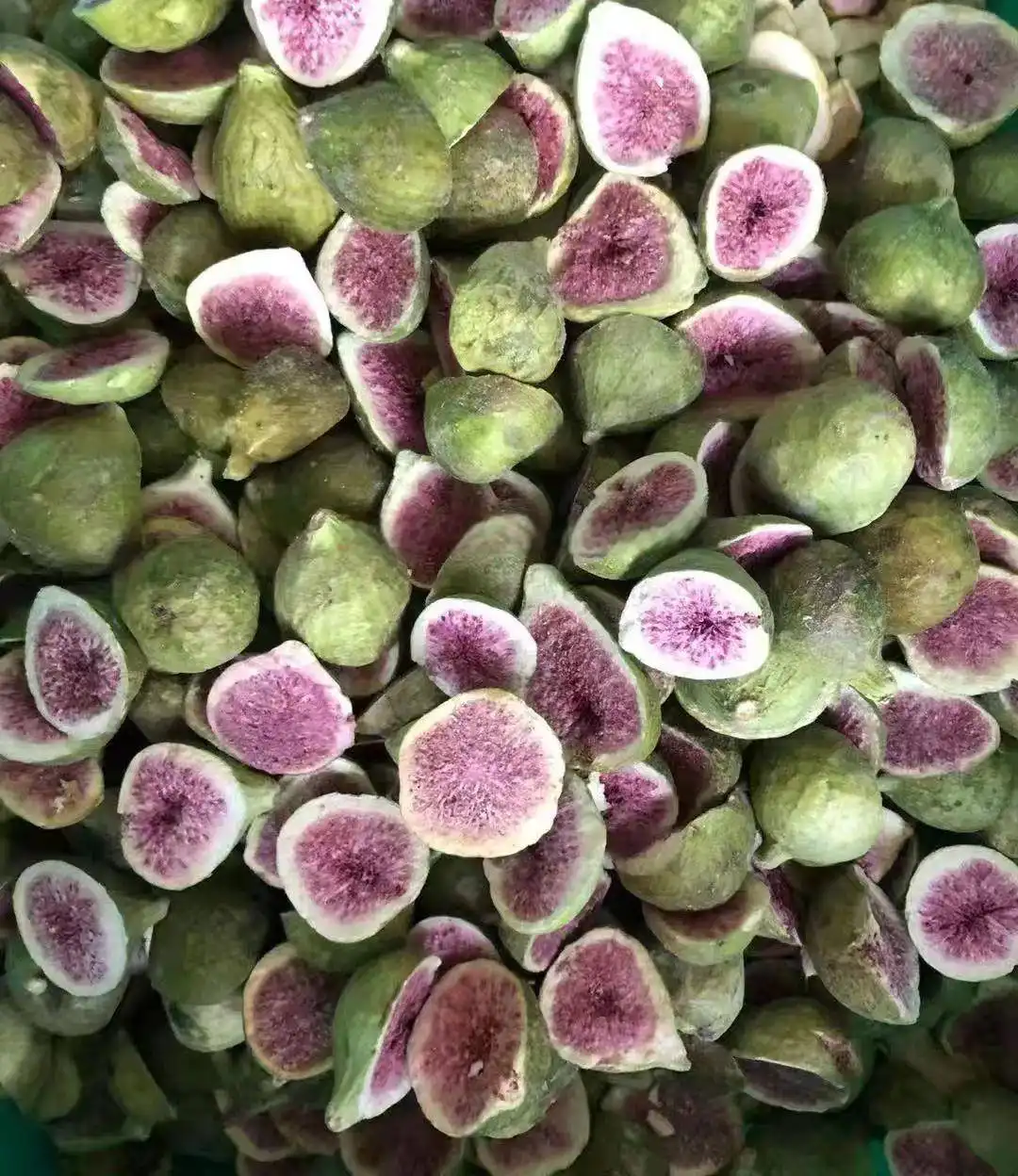
How trade in dried figs changes around the world
Around the world, especially in Southeast Asia and the US, the market for dried figs has grown a lot. A study of the market says the business will grow by 6.8% every year until 2024. This is because more people care about their health and want healthy snack options. Because trade rules between China and the US are now more stable, it is easier to bring in large amounts of good dried fruits.
Dried figs are very popular in Southeast Asia because they are good for you. In the United States, more and more people are learning about these health benefits for digestion and natural energy. Because of this growing need, there are opportunities for importers to make money by working with reliable Chinese suppliers.
It's pretty easy to guess what long-term contract prices will be because the exchange rate between the US dollar and the Chinese yuan has stayed pretty steady. Better logistics infrastructure and streamlined customs procedures have also made it easier to bring in dried fruit products.
List of all the prices for large amounts of dried figs
How Factory Direct Prices Are Set
Right now, FOB prices from suppliers in Xinjiang are very different, based on the quality level and how the goods are processed. Good dried figs cost around $4.20 to $4.50 a kilogram, while cheap dried figs cost around $2.80 to $3.40 a kilogram. Since these prices come straight from the factory, there are no markups from people in the middle, who usually make prices go up.
A small fee of about $0.45 to $0.65 per kilogram is charged to ship goods by ocean freight to major US ports. This fee covers insurance and basic handling fees. Logistics costs are usually lower at West Coast ports than at East Coast ports. This is because the routes from Asia are shorter.
Limits on the smallest order and deals for big orders
Most sellers you can trust need orders of at least 5 metric tons of high-quality dried figs. Most of the time, the MOQ for commercial grade goods is two to three metric tons. Most of the time, price cuts of 3–5% are given for orders of 10 metric tons or more. Orders over 50 metric tons may get extra discounts of 8–12%, depending on the amount of commitments made each year.
When you buy dried figs in bulk, the price changes with the seasons. The best prices can be found when orders are placed during the harvest season, which runs from September to November. Most of the time, if you sign a pre-season contract in the spring, you get better rates and get to choose when demand is high.
Extra Fees and Things to Think About When You Bring Things In
It costs 6.8% more for dried figs from China to come into the US right now. In general, this is how trade works. Customs brokerage fees can be anywhere from $150 to $300 per shipment, depending on how complicated the shipment is and where it comes into the country. They need to get ready for FDA facility registration and prior notice filing, which only add a small amount to the cost of running the business.
Port handling fees change from place to place. Ports like Los Angeles and Long Beach charge about $180 per container on the West Coast. Ports on the East Coast may charge as much as $220 to $280 per container. Inside the country, the prices for moving goods vary, but for refrigerated trucks, the normal rate is $2.50 to $4.20 per mile.
Important Factors Changing the price of dried figs
Costs of raw materials and production
The costs of farming in Xinjiang stay low because the conditions for growing crops are good and the infrastructure for farming is well-established. The cost of labor in the area is 40–60% less than in similar fruit-growing areas in developed countries. Water availability and irrigation efficiency have a direct effect on the amount of food that is grown and, in turn, on the stability of prices.
Investing in modern drying equipment and food safety systems at a processing facility helps raise quality standards while keeping costs low. About 15 to 20 percent of all production costs go toward energy costs for dehydration processes. This means that energy-efficient facilities are essential for keeping prices low.
Supply Chain and Changes in the Seasons
Weather patterns have a big effect on the amount and quality of food that is harvested each year. Prices usually drop by 8–15% when the harvest is good, but they can go up by 12–25% when the weather is bad. Progressive growers use strategies to adapt to climate change that help keep long-term supply reliability stable.
Transportation capacity is temporarily slowed down during harvest season, which can make logistics costs go up by 10 to 20 percent. Importers who are planning ahead often book shipping space a long time in advance to avoid paying higher prices during busy times and make sure that deliveries happen on time.
Price comparisons and market positioning by region
China vs. Competitors in the Area
Turkish dried figs usually cost 20–35% more than Chinese products that are similar. They are usually sold in high-end markets. Turkish suppliers have great quality, but they can't provide a lot of it for large-scale industrial uses. Trade restrictions on Iranian dried figs keep happening, which makes the supply uncertain and the price unstable.
Mediterranean producers mostly sell to organic and specialty markets, where they can charge higher prices than Chinese competitors by 40 to 60 percent. But these suppliers often can't meet the volume needs of large food manufacturing plants or national distribution networks.
Analysis of the Value Proposition
Chinese dried figs from Xinjiang are the best value for money when it comes to quality, consistency, and price. Independent lab tests show that Chinese dried figs that are properly processed meet or beat international standards for the amount of fiber, potassium, and natural antioxidants that are in dried figs.
Another big benefit is that Chinese suppliers are very flexible when it comes to packaging. They can easily make custom packaging for food service or retail branding needs. Private label opportunities let distributors make their own lines of products while keeping their profit margins high.
Methods for Achieving the Best Prices
Effective Ways to Negotiate with Suppliers
Building long-term relationships with trusted suppliers is good for both sides because it leads to better prices and more reliable service. When capacity is limited or supplies are low, annual volume commitments can often get you better rates and faster service.
You can save even more by negotiating the terms of your payment. For example, suppliers usually give discounts of 2% to 3% for early payments or letters of credit. But importers should keep a healthy cash flow by balancing the risk of not getting paid with the chance to save money on costs.
Customization and services that add value
When compared to domestic repackaging operations, OEM packaging services from well-known suppliers can lower total landed costs. Custom sizing, changes to the moisture content, and blend formulations help importers make their products stand out while taking advantage of lower prices from factories directly.
Quality assurance programs that are tailored to the needs of each market help make sure that products always work well and reduce the chance that they will be rejected. Importers and end customers can trust thorough testing protocols that check for microbiological safety, pesticide residues, and nutritional profiles.
The outlook for the market and price predictions
Analysis of economic indicators and trends
According to economic forecasts, prices will rise by 3 to 6 percent each year for the next three years. This is mostly due to rising costs of production and shipping. But these increases are still a long way below the levels of volatility that have been seen in the past for other agricultural goods.
The market for dried figs is still growing because more people around the world want healthy snacks. This is especially true in developed economies where health benefits are in line with consumer wellness trends. More market opportunities are created by the fact that recipes using dried figs are becoming more popular in mainstream cooking.
Changes in the supply chain and the effects of technology
Investing in new processing technology and cold chain logistics makes the quality of the goods better and the process run more smoothly. Leading suppliers are using blockchain tracking systems to make things more clear, which is appealing to importers and customers who care about quality.
More and more farmers in Xinjiang are using sustainable farming methods that help ensure a steady supply over the long term and meet the changing environmental standards that big retailers and food service operators in developed markets require.
Conclusion
Xinjiang dried figs present compelling value propositions for American importers seeking reliable, cost-effective fruit ingredient solutions. Current pricing ranges from $2.80 to $4.50 per kilogram FOB, offering significant advantages over Mediterranean alternatives while maintaining comparable quality standards. Understanding market dynamics, seasonal variations, and supplier capabilities enables informed procurement decisions that maximize profitability. Strategic partnerships with established Chinese suppliers provide access to consistent volumes, flexible packaging options, and competitive pricing structures. As global demand for healthy, natural food ingredients continues expanding, Xinjiang dried figs represent an excellent opportunity for building sustainable import businesses.
Frequently Asked Questions
Q1: What quality standards do Chinese dried figs meet for US import?
A: Reputable Chinese suppliers maintain ISO 22000, HACCP, and FDA facility registration compliance. Products undergo comprehensive testing for pesticide residues, heavy metals, and microbiological safety to meet US import requirements.
Q2: How do Xinjiang dried figs compare nutritionally to other origins?
A: Xinjiang dried figs contain comparable levels of fiber, potassium, and natural sugars to Mediterranean varieties. The region's unique climate conditions often produce higher antioxidant concentrations due to intense sunlight exposure during growing seasons.
Q3: What packaging options are available for bulk orders?
A: Chinese suppliers offer flexible packaging including 10kg cartons, 20kg bags, or custom retail packaging. Food-grade materials ensure product freshness during extended storage periods while meeting various distribution channel requirements.
Guangzhou Qijie: Sells good dried figs
The Guangzhou Qijie Trading Co., Ltd has been an American business's go-to place for dried figs for more than 30 years. They help them get the best Xinjiang dried fruits. We don't need a middleman because we deal with factories straight to ourselves. This helps us save money, make sure the quality is always the same, and keep prices low for big orders. We know that those who make food, distribute food, and run hospitality businesses have different needs. That's why we offer custom packaging, simple ways to pay, and reliable delivery times.
When we ship dried figs, they are carefully checked to make sure they meet the high standards for food safety and give your customers the nutrition and taste they expect from dried figs for sale. Our skilled staff gives you personalized service and market information whether you need commercial-grade products to make things or high-end options to sell in stores. You can email us at qijie@qijietrade.cn to talk about the dried figs you need and how our factory-direct services can help your business make more money and run more smoothly.
References
1. Agricultural Trade Report: Chinese Dried Fruit Export Analysis 2023-2024, International Trade Commission Agricultural Division.
2. Global Dried Figs Market Research and Forecast Study, Food Industry Research Institute, 2024.
3. Nutritional Analysis of Dried Figs from Various Geographic Origins, Journal of Food Science and Nutrition, Volume 45, 2024.
4. Supply Chain Management in Chinese Agricultural Exports, Asian Trade Development Quarterly, Spring 2024 Edition.
5. Economic Impact Assessment of US-China Agricultural Trade Relations, Department of Agriculture Trade Analysis Bureau, 2024.
6. Xinjiang Agricultural Production and Export Capacity Study, China Agricultural Research Institute, 2024.