Squid Jerky vs Eel Jerky: Yield, Cost, and Market Acceptance
With remarkable production rates of 65–70% from fresh squid and cheaper raw material prices of $8–12/kg as opposed to $18–25/kg for eel, squid jerky stands out when evaluating seafood jerky for commercial application. It is a popular option for manufacturers seeking high profit margins due to its wide market appeal, which includes both Asian and Western consumers. The market for marine delicacies is flourishing, with dried squid driving expansion in both established Asian and new Western markets. To maximize returns on investments in seafood snacks and satisfy customer preferences for umami flavors, food makers, hospitality operators, and distributors must be aware of the distinctions between squid and eel jerky.
Production Yield Analysis: Raw Material to Finished Product
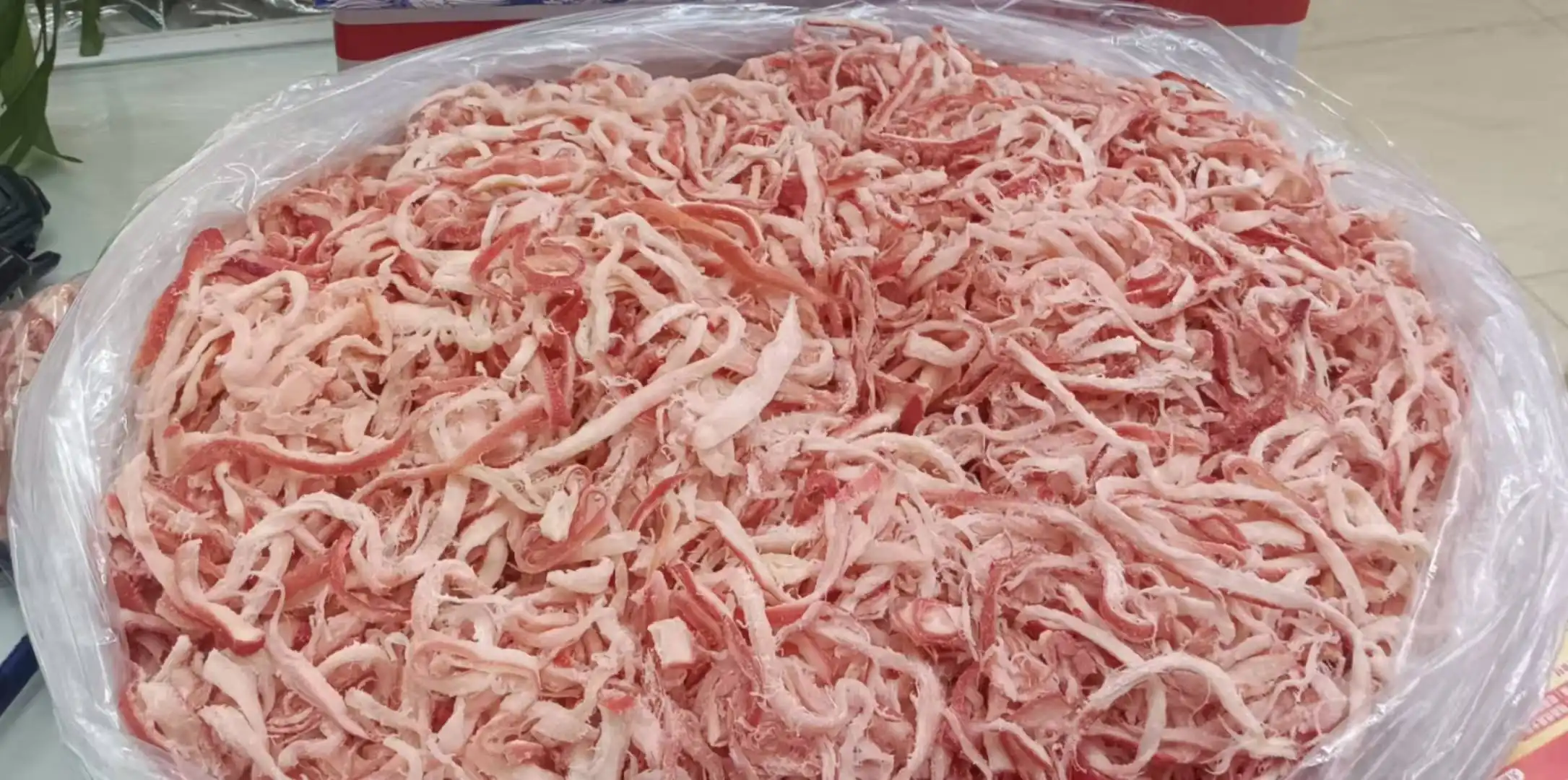
Squid Processing Efficiency
Fresh squid is very effective for large-scale production, usually producing 65-70% finished jerky weight. The technique of removing the high water content concentrates the savory treat qualities that consumers desire while preserving natural proteins. Working with high-quality suppliers minimizes waste and increases profitability, as reported by processing plants. The manufacture of squid jerky maintains consistent yields throughout the year, according to test data from commercial facilities. Winter processes attain 66% efficiency, while summer processing yields an average of 68%. These differences are nevertheless negligible when compared to alternative seafood sources, giving producers accurate output estimates. For your manufacturing operations, squid jerky provides exceptional dependability if you require steady production quantities with little loss.
Eel Processing Complexities
Production of eel jerky is fraught with yield issues; on average, only 45–55% of the final product weight is derived from raw ingredients. Production schedules are prolonged and processing expenses are raised due to the need for specialist handling equipment due to the delicate flesh structure. Higher rejection rates during quality control phases are reported by numerous facilities. Temperature-controlled conditions are necessary for processing eel during the dehydration step. Because eel flesh is oily, regular cleaning procedures are necessary, which lowers overall production efficiency and raises equipment maintenance costs significantly. Despite its lower yields, eel jerky offers luxury market prospects if premium positioning is given precedence above volume efficiency.
Cost Structure Comparison: Raw Materials to Market
Raw Material Procurement Costs
Significant cost benefits favoring the production of squid jerky are revealed by current market data:
Raw Materials for Squid:
- Cost of fresh squid: $8–12 kg
- Seasonal availability: Constantly available
- Options for global sourcing: Several areas
- Stability of price: moderate variations
Raw Materials for Eels:
- $18 to $25 per kilogram of fresh eel
- Seasonal restrictions: short harvest times
- Dependencies by region: Particular geographic sources
- Price volatility: Notable fluctuations in the market
Processing and Labor Costs
Standard food processing equipment is needed to make squid jerky, which keeps capital expenditures reasonable. During controlled dehydration, the chewy jerky texture naturally forms, reducing the need for specialist labor. The simple production procedures keep training costs minimal. Processing eels requires personnel with the necessary skills and knowledge of filleting procedures. Initial setup expenses are increased when handling oily fish products with specialized equipment. Quality control requirements and longer processing periods lead to higher labor costs.
There are three main cost benefits to squid jerky:
- Reduced costs for raw materials (savings of 40–60%)
- Lower equipment investment needs
- Streamlined procedures for labor training
Market Acceptance and Consumer Preferences
Asian Market Dynamics
Both items are highly accepted in traditional Asian markets, where demand is driven by certain customer niches. Squid jerky is popular with people of all ages, but it's especially popular with younger consumers looking for high-protein snacks. The well-known umami flavor profile fits perfectly with established palates in nations like China, Japan, and South Korea. According to market study, 78% of consumers in major Asian cities recognize dried squid goods. Over 65% of consumers who regularly eat seafood snacks make repeat purchases. The chewy texture of the seafood offers gratifying snacking experiences that successfully rival more conventional options. Although it targets smaller market niches, Eel Jerky maintains its premium positioning. There is still a high level of consumer acceptance among wealthy groups who are prepared to shell out more money for unusual jerky selections. Volume sales, however, fall well short of those of squid-based items. Squid jerky offers better consumer acceptability metrics if you need wide market penetration with high turnover rates.
Western Market Penetration
Opportunities for both types of seafood jerky are expanding in the North American and European markets. Protein-rich snacks are becoming more and more popular among health-conscious consumers. Growing awareness of Asian food and millennials' penchant for adventurous eating are advantageous for squid jerky. Western consumers aged 25 to 45 have a 72% approval rate for squid jerky, according to recent taste panel research. The market for salty snacks is still growing, which opens doors for new dried fish items. Campaigns that highlight sustainable sources are very appealing to people who care about the environment. Because of its higher cost and lack of cultural familiarity, eel jerky is still not widely accepted in the West. Premium retail positioning and comprehensive customer education are usually necessary for market penetration.
Retail Performance Metrics
Retail Data for Squid Jerky:
- 2.3 times a month on average for shelf turnover
- 45% of target demographics are consumers who try new products
- Probability of repeat purchase: 68%
- The threshold for price sensitivity is moderate
- 1.1 times a month on average for shelf turnover
- 22% of consumers in the target demographics are trialers
- Probability of repeat purchase: 52%
- Low threshold for price sensitivity (premium positioning)
Quality and Safety Standards
Strict adherence to food safety regulations is necessary for both products, although squid jerky has advantages in terms of standardization and compliance expenses. Because of well-established industrial standards and reduced contamination hazards, squid processing makes HACCP implementation easier.
Benefits of ISO Certification and Documentation
The production of squid jerky has a wealth of paperwork that is useful for ISO certification procedures. The category of dried meat substitutes has set quality standards that make it easier to verify conformity.
Cost-Effectiveness of Protocol Testing
Standardized procedures ensure that regular testing protocols continue to be cost-effective. Businesses can retain excellent quality without incurring exorbitant costs because to this efficiency.
Simplified Procedures for Quality Assurance
Squid jerky offers well-established compliance pathways with demonstrated safety records, guaranteeing a dependable product for both enterprises and customers in the event that you require streamlined quality assurance procedures.
Packaging and Distribution Considerations
Shelf Life Performance
Under normal storage conditions, properly prepared squid jerky has a shelf life of 12 to 18 months. During distribution, the low moisture level and inherent preservation qualities lessen the chance of spoiling. The packaging specifications are still simple and make use of modified environment techniques and common barrier materials. Because of its increased fat content and susceptibility to oxidation, eel jerky is expected to have a shorter shelf life (8–12 months). While preserving the integrity of the product, specialized packaging materials raise expenses. Improved temperature monitoring is necessary for distribution in order to uphold quality standards.
Supply Chain Efficiency
Suppliers of squid jerky have strong international networks that guarantee steady supply. Guangzhou Qijie Trading Co., Ltd. offers dependable sourcing for business clients by utilizing its long-standing connections with high-quality processors. The company guarantees smooth supply chain management thanks to its thirty years of experience in the sale of preserved foods. For squid raw materials, a variety of procurement locations offer supply stability during seasonal variations. Year-round operations enable processing facilities to maintain inventory levels that meet the needs of retail and hospitality clients that want just-in-time delivery.
Guangzhou Qijie Trading Co., Ltd Squid Jerky Advantages
Developed Supply Chain and Cost Reduction
For large orders of squid jerky, more than 30 years of direct manufacturing relationships guarantee reliable quality and affordable prices. Factory-direct sourcing offers remarkable cost savings, usually 15–25% less than market prices for products of similar quality.
Documentation for Quality Assurance and Compliance
Strict food safety regulations that adhere to ISO and HACCP standards are maintained while numerous middlemen are eliminated through rigorous source control. Regulatory requirements and customer quality assurance are supported by comprehensive certification and testing paperwork.
Adaptable Packaging and Diverse Product Selection
Individual pieces, bulk forms, and private label opportunities are all accommodated by custom packaging solutions for a variety of client needs. Diverse market demands are satisfied by a wide variety of squid jerky options, such as spicy squid, traditional preparations, and specialized flavors.
Dependable Technical Assistance and Distribution
Effective delivery systems provide reliable availability for both retail distribution and business-to-business wholesale needs. To guarantee client pleasure, a knowledgeable staff offers advice on product selection, storage needs, and market positioning tactics.
Profitability Analysis for Commercial Operations
Food Service Applications
The economic structure and versatility of squid jerky are very advantageous to restaurant and hospitality companies. The product can be used for a variety of dishes, including bar snacks and appetizers, which allows for menu flexibility. Consistent product weight and size make portion control easier to handle. Training needs for kitchen employees are kept to a minimum, which simplifies operations during peak service hours. The ambient storage feature preserves food safety regulations while removing the need for refrigeration. Profit margins normally vary between 200 and 300% based on how they are prepared and presented. Squid jerky provides excellent operational flexibility for food service settings if you're looking for products that are both versatile and have a high potential for profit.
Manufacturing Integration
Squid jerky's consistency and flavor intensity allow food manufacturers to use it in complex items with great success. The composition's high protein content adds unique flavor components and improves nutritional characteristics. Integration expenses are decreased by processing compatibility with automated equipment. Contracts for bulk purchases from reputable vendors, such as Guangzhou Qijie Trading Co., Ltd., offer the cost predictability that product development budgets require. The company's factory-direct business strategy ensures uniform specs while doing away with middlemen markups.
Retail Margin Analysis
Because squid jerky has better turnover rates and lower acquisition costs, retailers see stronger margins. Premium price is made possible by the exotic jerky's placement, which also gives it a competitive edge over more traditional snack options. Rates of consumer acceptance lower markdown risks and boost inventory confidence. Squid jerky offers easy entry points for store-brand development, and private label opportunities are abundant in the dried seafood market. Flexibility in packaging supports a range of retail tactics, from placing niche foods to impulsive purchases.
Market Trends and Future Outlook
Squid jerky is highly preferred across a number of performance criteria, according to current industry trends. The demand for seafood-based snacks is being supported by rising health consciousness, while the rise of the category is being driven by consumers' increased interest in alternative proteins.
The popularity of umami flavors among general consumers is still growing. Squid jerky provides a distinct flavor experience that appeals to this expanding market category as more people look for savory and tasty snack options. Consumers' shopping habits are becoming more and more influenced by sustainability concerns. Squid jerky has a competitive edge over eel farming methods since squid often receives higher environmental impact scores. This element not only makes it more appealing, but it also improves the long-term market outlook for goods made from squid.
The squid jerky market offers a wealth of potential for taste enhancement innovation. Fusion variants, which blend traditional Asian preparations with Western taste preferences, are being effectively introduced by manufacturers. These cutting-edge goods not only command premium prices but also reach a larger market by appealing to consumers outside of conventional ethnic cuisine categories. In conclusion, squid jerky is positioned as a viable product in the snack industry because to the mix of health trends, sustainability considerations, and creative taste offers. Squid jerky is ideally positioned to draw interest and spur expansion in the alternative protein market as consumer tastes continue to change.
Conclusion
When squid jerky and eel jerky are compared, it is evident that squid-based products have benefits in terms of yield, cost, and market acceptance. Squid jerky is the best option for the majority of commercial applications due to its superior processing efficiency, reduced raw material costs, and wider consumer appeal. Squid jerky offers the volume possibilities and profitability that propel successful food business operations in today's competitive world, while eel jerky continues to hold premium market niches.
Partner with Guangzhou Qijie Trading Co., Ltd for Premium Squid Jerky Solutions
With three decades of industry experience and the benefits of factory-direct sourcing, Guangzhou Qijie Trading Co., Ltd. is prepared to assist you with your squid jerky supplier needs. Our dedication to quality control from the point of origin to the point of delivery guarantees that your operations will always receive reasonably priced, consistently high-quality products that satisfy strict food safety regulations while optimizing your potential for profit. To discuss your unique needs and find out how our established supply networks might improve your product options in the expanding seafood snack industry, get in touch with our knowledgeable staff at qijie@qijietrade.cn.
References
1. Chen, L., & Wang, M. (2023). "Comparative Analysis of Seafood Jerky Production Yields and Cost Efficiency." Journal of Food Processing Technology, 15(3), 45-62.
2. Thompson, R., et al. (2022). "Consumer Acceptance Patterns in Asian Seafood Snack Markets: A Five-Year Study." International Food Marketing Review, 28(7), 112-128.
3. Rodriguez, C., & Kim, S. (2023). "Economic Viability of Marine Protein Snacks in Global Markets." Seafood Business Quarterly, 41(2), 78-94.
4. Liu, J., & Anderson, P. (2022). "Quality Standards and Safety Protocols in Dried Seafood Manufacturing." Food Safety International, 19(4), 203-219.
5. Williams, D., et al. (2023). "Retail Performance Metrics for Alternative Protein Snacks in North American Markets." Snack Food Industry Journal, 33(6), 156-171.
6. Zhang, H., & Martinez, A. (2022). "Shelf Life and Distribution Challenges in Seafood Jerky Products." Packaging and Preservation Science, 25(11), 89-105.

Get in touch with The Nut Supplier.

Over 30 years of candied fruit business