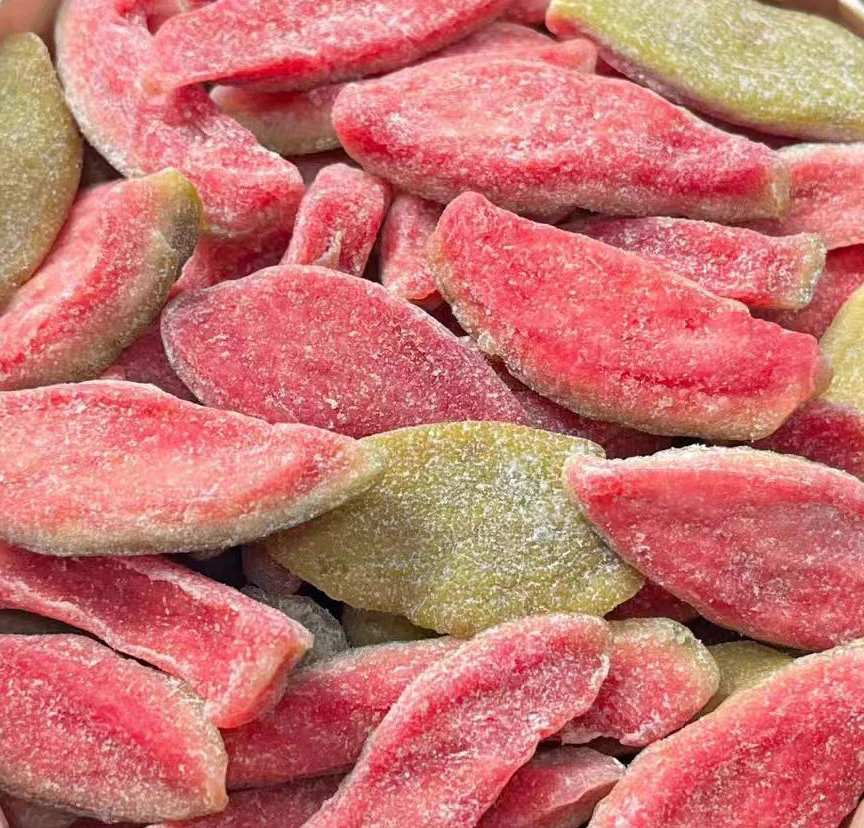
Regulatory Requirements for Exporting Candies and Snacks to the EU and US
Candy and snacks exported to the EU and US must meet strict food safety and labeling criteria. The EU requires EC No 178/2002 compliance, while the US requires FDA Food Safety Modernization Act compliance. Export candies must have ingredient declarations, nutritional labeling, allergen identification, and adequate paperwork. Both markets need HACCP certification and may require heavy metal, pesticide residue, and artificial additive testing.
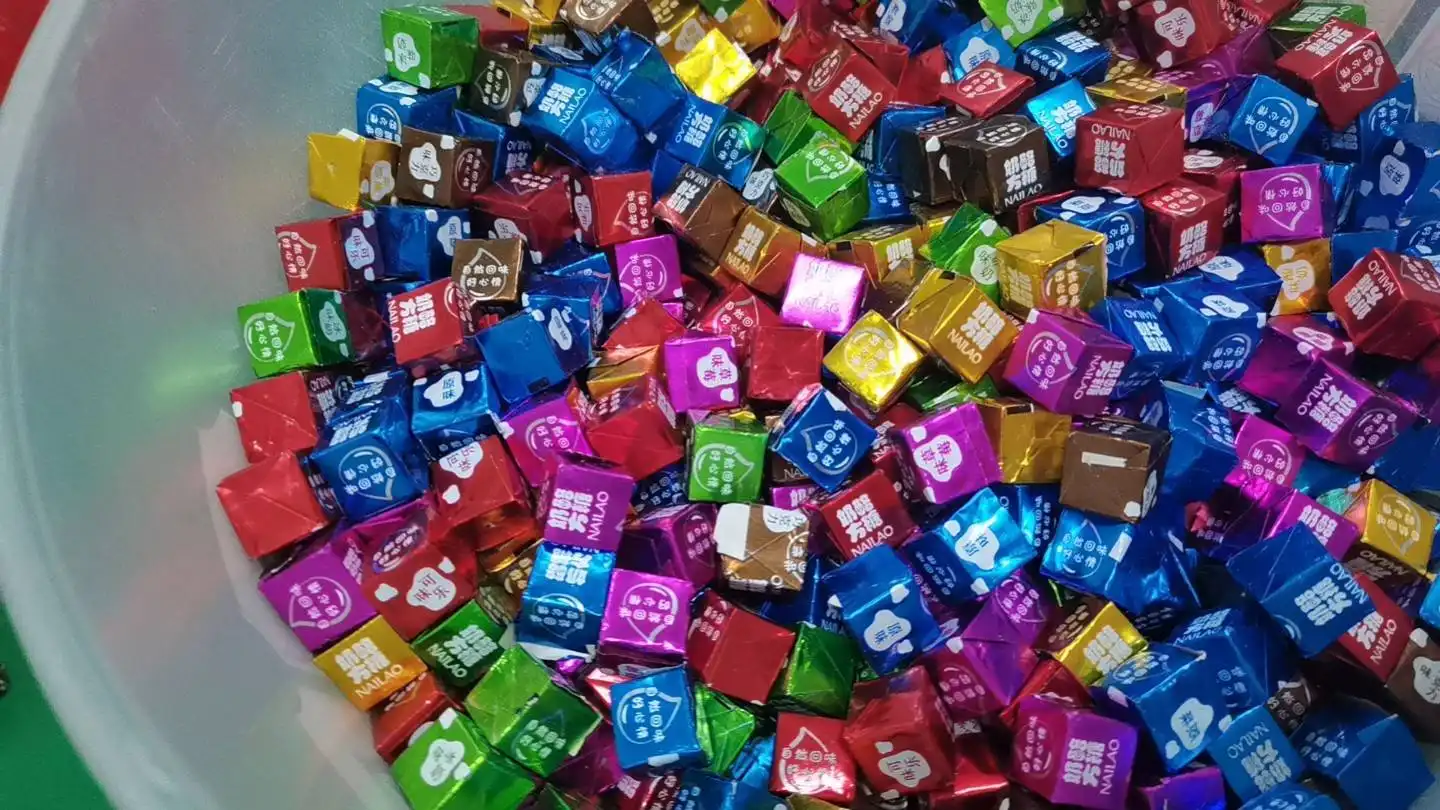
Why Source Export Candies from China?
China is the world's largest candy producer, generating around 4.3 million tons annually. The country dominates the worldwide candy trade due to its advanced industrial infrastructure, cost-effective production, and broad supplier network.
Advanced Manufacturing Infrastructure
Chinese confectionery makers have substantially invested in modern production equipment and automated processes. Modern facilities maintain product consistency with precision temperature control, automation wrapping, and quality monitoring. Technology allows manufacturers to make export candies that fulfill international quality standards at competitive prices. The manufacturing environment has facilities for hard candies, gummies, chocolate, and preserved fruits. This diversity lets customers obtain different product categories from one place, simplifying supply chain management.
Cost-Effectiveness and Scale Advantages
Cost advantages come from economies of scale and efficient production procedures for Chinese confectionery vendors. Sugar refineries and flavor makers offer high-quality ingredients at competitive prices. International purchasers save money due to labor efficiency and streamlined operations. China attracts food industrial enterprises seeking bulk confectionery supply due to its large-volume ordering capabilities. Small test batches to multi-container shipments can be processed in production facilities, giving business models flexibility.
Quality Control and Certification Standards
Reputable Chinese candy makers follow international food safety requirements for quality control. Many factories have ISO 22000, HACCP, and BRC certifications to meet worldwide market standards for export candies. Incoming raw material inspection, in-process monitoring, finished product testing, and extensive documentation are quality assurance processes. These measures ensure confectionery export quality throughout manufacture.
Critical Technical Specifications and Industry Standards
Technical criteria are crucial while sourcing international export candy. Specific candy categories have performance, safety, and regulatory compliance requirements.
Material Grade Requirements
Quality candy starts with food-grade ingredients. All ingredients must meet food additive rules for colorants, flavorings, and preservatives. Candies exported to the EU must avoid synthetic colors that are permitted elsewhere. Sugar parameters include purity, moisture, and crystal structure. Premium candy manufacturers use refined sugar with 99.8% sucrose and moisture below 0.05% for maximum texture and shelf life.
Physical and Chemical Parameters
Candy stability and shelf life depend on moisture. Gummies have 12-20% moisture, while hard candies need below 3%. These characteristics affect product texture, storage, and shipment. Acidity affects flavor and preservation. To achieve tartness and microbiological stability, fruit-flavored sweets maintain pH levels between 3.0 and 4.5. Cocoa content for chocolate-based products ranges from 20% to 70%, depending on positioning.
Packaging and Labeling Specifications
Primary packaging must meet destination market food contact rules. EU laws mandate migration testing for packaging materials, while US standards focus on GRAS chemicals. Individual portion packaging improves food service appeal and freshness. Pre-portioned candies simplify handling and assist hospitality customers' just-in-time delivery schedules.
Navigating Regulations and Compliance
Candy exports to international markets depend on regulatory compliance. Regional regulations affect product formulation, labeling, and documentation.
EU Regulatory Framework
EU confectionery import laws are comprehensive. The Novel Food Regulation covers new ingredients and processing processes, whereas the Food Information to Consumers Regulation regulates labeling. Milk, nut, gluten, and other allergen-containing candies must be declared. Clear labeling protects consumers and meets regulations. Nutritional information must be standardized and include kilojoules and kilocalories.
US FDA Requirements
FDA regulations govern US candy imports. The Nutrition Labeling and Education Act mandates extensive nutritional panels for most sweets. How manufacturers convey nutritional information depends on serving size. Before shipping to US markets, candy producers must register their facilities with FDA. Process alerts may relate to confectionery types or production procedures.
Certification and Documentation
The HACCP certification shows systematic food safety management throughout production. Export candies need this certification to reassure overseas buyers about safety. External audits boost credibility with foreign customers. Manufacturing facilities with BRC, SQF, or equivalent certifications meet worldwide food safety standards. These certificates are often required by big retailers.
Import and Export Process Overview
Understanding the entire import-export process simplifies transactions. Each level requires documentation and party cooperation.
Trade Terms and Responsibilities
FOB (Free on Board) agreements require the buyer to handle export procedures and ocean freight. While the buyer manages international shipping and import, the vendor delivers products to the shipping port. This option suits consumers who desire shipping logistics and expense control. CIF (Cost, Insurance, and Freight) terms oblige the seller to arrange ocean shipping and basic insurance. Buyers assume risk when commodities reach the port. This solution appeals to consumers wanting streamlined logistics management, especially for smaller shipments. Buyers handle transportation and export under EXW terms, reducing seller duties. This arrangement requires purchasers to manage complex logistics, including Chinese internal transit, but may cut product costs.
Documentation Requirements
Commercial invoices provide product descriptions, quantities, unit pricing, and total values. Accurate invoicing aids customs clearance and payment processing. Customs delays can be avoided by matching invoice descriptions to items. Packing lists provide items, weights, and dimensions to supplement invoices. Information helps customs and freight handlers process cargo efficiently. Detailed packing lists speed clearance and reduce inspections. Bills of lading are cargo receipts and transportation contracts. Ocean bills of lading assist title transfer and L/C transactions. Air freight waybills are non-negotiable but serve similar purposes.
Payment Methods and Risk Management
Telegraphic transfers (T/T) allow bank-to-bank payments at cheap cost. Extended payment terms help buyers manage cash flow while advance payment terms protect suppliers. Party risk is balanced by split payments. Bank guarantees secure buyer and seller payments via letters of credit. Documentary letters of credit demand shipping papers before payment. Large transactions or new business connections that demand trust work well with this strategy.
Why Guangzhou Qijie Trading Co., Ltd is Your Ideal Import Partner?
Candied fruit and confectionery specialist Guangzhou Qijie Trading Co., Ltd. has over 30 years of experience. Since 1988, the company has built a network of high-quality manufacturers for direct factory supply, eliminating intermediaries and lowering prices.
Established Supply Chain Network
The company's longstanding partnerships with premium candy makers guarantee quality products. Qijie Trading sources classic candied fruits, modern candies, and creative confectionary for foreign markets through these agreements. With thorough supplier selection and performance monitoring, Qijie Trading starts quality control at the manufacturing source. Export candies fulfill international food safety and client demands consistently with this method.
Competitive Pricing Through Direct Supply
Direct manufacturing relationships eliminate markup layers that raise product prices. Customers receive these savings from Guangzhou Qijie Trading while preserving quality. Food industry firms benefit from this pricing advantage for large orders. Volume buying power helps negotiate supplier prices. Large order consolidation among numerous clients lowers per-unit prices for individual buyers.
Comprehensive Service Portfolio
Qijie Trading offers quality inspection, packaging modification, and shipping coordination in addition to product sourcing. International customers can import easily and comply with destination market standards with this full-service strategy. Retailers and distributors can use custom packaging for private labeling. Flexible packaging suits bulk industrial supplies and consumer-ready retail items.
Cost Structure and Transparency
Understanding cost components aids budgeting and purchasing. Product parameters, order quantities, and shipment terms affect export confectionery costs.
Raw Material and Production Costs
Variations in sugar prices effect candy manufacturing costs and product pricing. While Chinese sugar refineries produce steady sugar, global commodity markets affect base costs. Long-term contracts steady normal customer prices. While skilled, Chinese labor prices are competitive with other industrial regions. For large-volume orders, automated production systems decrease labor and enhance cost predictability.
Quality Assurance and Certification Expenses
Food safety certifications necessitate constant facility modifications, staff training, and audits. These costs raise product prices but provide market access and customer confidence. Premium markets that require quality systems accept certified establishments. Third-party contaminant, nutritional, and shelf-life testing increases expenses but ensures product compliance. Regular testing ensures quality and regulatory compliance.
Logistics and Transportation Components
Container usage, shipping routes, and seasonal demand affect ocean freight prices. Less-than-container loads (LCL) ship lower amounts at higher costs than full container loads (FCL). Export packaging increases expenses but protects product integrity during long-distance shipping. Moisture barriers, cushioning, and container locking systems preserve product quality.
Supply Chain Reliability and Lead Times
Deliveries are predictable, improving inventory management and customer satisfaction. Many other sourcing regions have longer lead times than Chinese confectionery producers.
Production Capacity and Flexibility
Large factories can handle rush orders and seasonal demand. Flexible production scheduling lets producers meet consumer needs while maintaining quality. In China's extensive supplier network, raw material scarcity rarely limits output. Most ingredients may be sourced locally, reducing reliance on foreign supply channels that may fail.
Port Infrastructure and Shipping Efficiency
Chinese ports are well-connected to global shipping networks and depart frequently for important markets. Port efficiency cuts dwell periods and speeds cargo loading for scheduled ships. Guangdong ports, mainly those near Guangzhou, offer South China manufacturers efficient access. Modern port infrastructure and simplified customs help exports go quickly.
Inventory Management and Warehousing
Strategic inventory location speeds order fulfillment. Warehouses near factories cut internal transportation costs and delivery times. Climate-controlled storage preserves product quality. Just-in-time delivery helps food industry and hospitality customers with predictable supply schedules. Planning ahead ensures product availability matches customer demand.
Communication and Ease of Doing Business
Successful international trade ties start with good communication. Chinese candy makers have adapted to global customer needs.
Language and Technical Support
English-speaking sales professionals clarify product specs, quality standards, and delivery dates. English technical documentation aids product evaluation and regulatory compliance. Despite distance, time zone synchronization allows rapid customer assistance. Suppliers often stay open late to assist overseas customers and urgent questions.
Cultural Understanding and Business Practices
Chinese vendors are learning foreign business conventions and regulations. This understanding simplifies negotiations and minimizes misunderstandings that could hurt transactions. Regional payment methods, contract structures, and quality standards are accommodated via flexible company terms. This versatility helps build long-term business ties across markets.
Common Pitfalls and Practical Advice
Planning can mitigate international candy trade issues. Understanding these challenges improves risk management and transaction execution.
Quality Specification Clarity
Quality expectations are clarified by detailed product specifications. Suppliers supply suitable products when texture, flavor strength, packaging, and shelf-life are specified. Sample approval verifies specifications before bulk orders. Quality monitoring throughout the supply chain ensures consistency. Regular facility visits and third-party audits ensure quality compliance.
Cultural and Communication Challenges
Deadlines for communications and decisions must be planned around time zone discrepancies. Email documentation clarifies agreements and specifications, aiding conflict settlement. Supplier security and buyer cash flow should be balanced in payment terms. Graduated payment plans fit both parties' budgetary limits while ensuring transaction security.
Regulatory Compliance Verification
Continuous monitoring is needed to comply with changing destination market restrictions. Supplier notifications of formula changes or additional ingredients allow purchasers to analyze regulatory implications before shipment. Customs clearance and regulatory approval require accurate documentation. Shipping documentation, certificates, and labels are reviewed regularly to meet current regulations.
Conclusion
Export candies from China include advantages including modern manufacturing, competitive pricing, and established supply systems. Understanding regulations, choosing qualified vendors, and communicating along the process are key to success. Guangzhou Qijie Trading Co., Ltd. has the competence and infrastructure to handle these complications and provide international-standard products. Effective planning, paperwork, and relationship management promote worldwide candy trade success.
Frequently Asked Questions
1. What are the minimum order quantities for export candies from China?
Order minimums vary per product and manufacturer capacity. Hard candies require 500-1000 kilogram minimum orders, while gummies and chocolate may require greater minimums due to production setup costs. Higher quantities are needed to justify tooling and setup costs for custom packaging or private label items.
2. How long does the export candy sourcing process typically take?
For conventional products, supplier selection, sample approval, and production require 4-8 weeks. Custom formulas or packaging can take 8-12 weeks. Seasonal demand periods may necessitate forward planning to assure manufacturing capacity.
3. What certifications are most important for export candy suppliers?
HACCP certification ensures food safety, whereas ISO 22000 validates management systems. BRC or SQF certifications boost worldwide retailer reputation. Halal certification accesses Middle Eastern markets, whereas organic certification benefits natural product lines.
4. How can I verify the quality of candy suppliers before placing orders?
Factory audits assess suppliers' facilities, quality systems, and production capabilities. Product quality and specifications are verified by sample testing. Reference checks with current customers reveal supplier reliability and service quality.
5. What are the typical payment terms for export candy orders?
New vendors usually want 30-50% down and the rest before shipment. Relationships may provide 30-60 day payment terms following dispatch. Letter of credit conditions protect both parties, especially for large orders or new companies.
6. How do seasonal fluctuations affect candy export pricing and availability?
Holidays boost demand and may alter product prices. February delivery requires previous planning due to Chinese New Year manufacturing halts of 1-2 weeks. Heat sensitivity may limit chocolate product availability in summer.
Partner with Guangzhou Qijie Trading Co., Ltd for Your Export Candy Supply Needs
Guangzhou Qijie Trading Co., Ltd. has 30 years of industry experience and direct manufacturer ties, making it your reliable export candies manufacturer and provider. Offering competitive pricing and quality assurance, our comprehensive service strategy supports your business success through consistent product supply and skilled export handling. Talk to qijie@qijietrade.cn about how our supplier network can optimize your candy procurement strategy while meeting international food safety standards.
References
1. Chen, L., & Wang, M. (2023). Food Safety Regulations in International Confectionery Trade: A Comparative Analysis of EU and US Standards. Journal of International Food Law, 15(3), 45-62.
2. Thompson, R. J. (2022). Global Candy Market Trends and Export Opportunities from Asia. International Trade Review, 28(7), 112-128.
3. Liu, X., Zhang, Y., & Kumar, S. (2023). Supply Chain Management in Chinese Food Export Industries: Quality Control and Regulatory Compliance. Asian Business Studies, 41(2), 78-94.
4. European Food Safety Authority. (2023). Guidelines for Confectionery Product Import Requirements and Labeling Standards. EFSA Technical Report, 2023-15.
5. Martinez, A., & Johnson, K. (2022). HACCP Implementation in Chinese Food Manufacturing: A Case Study Analysis. Food Quality and Safety Management, 19(4), 203-219.
6. Wong, H. K., & Brown, D. L. (2023). International Trade Documentation and Procedures for Food Product Exports. Global Commerce Quarterly, 35(1), 89-105.
Get in touch with The Nut Supplier.
Over 30 years of candied fruit business