Nutritional and Functional Properties of Citrus Peel Snacks in Bulk Supply
Citrus Peel Snacks represent an innovative category of dried fruit products derived from the nutrient-rich outer rinds of citrus fruits, delivering exceptional value through concentrated dietary fiber, vitamin C, and bioactive compounds including flavonoids and essential oils. These premium snack products transform what was traditionally considered agricultural waste into profitable, health-focused ingredients that meet the growing demand for functional foods in commercial applications. The bulk supply market for citrus peel snacks has expanded significantly as manufacturers recognize their versatility across multiple product formulations and their appeal to health-conscious consumers seeking natural, minimally processed alternatives to conventional snack options.
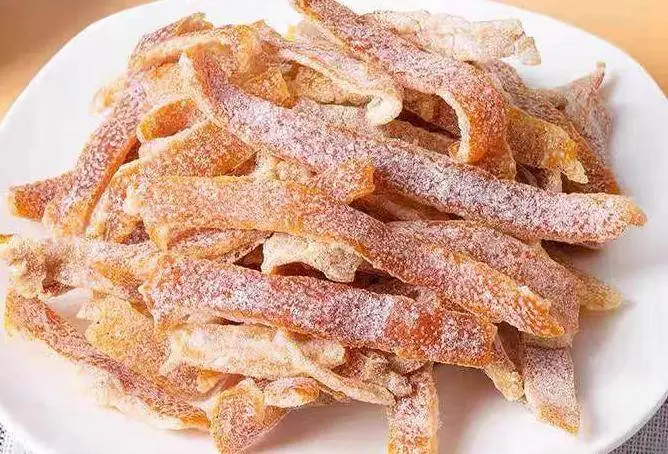
Understanding Citrus Peel Snacks: Composition and Nutritional Overview
Comprehensive Nutritional Profile and Bioactive Compounds
Citrus peel snacks provide 25-30% dietary fiber, compared to 15-20% in dried fruit. Dried citrus rinds provide 50–80 mg of vitamin C per 100g serving, as well as calcium, potassium, and magnesium. Hesperidin, naringin, and quercetin provide citrus peel goods functions that set them apart from other fruit treats.
Orange peels contain up to 90% limonene, which adds taste and may have health benefits. Manufacturers appreciate the inherent gelling characteristics of pectin, which ranges from 20-35% depending on citrus type and processing techniques, for food texture improvement. These chemicals synergistically build nutritious and functional goods for many commercial purposes.
Variety-Specific Properties and Quality
Bulk purchasers choose citrus types based on their characteristics. Orange peels have the mildest taste and balanced sweetness, making them acceptable for consumer use. Lemon peels are chosen for taste enhancement due to their increased tartness and citric acid concentration. Grapefruit peels have more bioactive chemicals and distinctive bitter compounds that appeal to discerning palates.
For commercial uses, moisture content (12-15% for good shelf life), color retention (showing adequate processing and storage), and texture uniformity are most important. Premium grades have consistent piece size and natural color without additions, but processing affects taste intensity and nutritional retention. Product performance in production and retail customer acceptability depend on these quality characteristics.
Health Implications and Safety of Consuming Citrus Peel Snacks
Scientific Evidence Supporting Health Benefits
Citrus peel extracts contain 200-300% higher ORAC levels than fruit flesh, according to research. Prebiotic effects from high fiber promote gut bacteria development and manage blood sugar. Regular citrus flavonoids may enhance circulation and cholesterol control, according to clinical trials.
Peer-reviewed research has shown that citrus peel chemicals, particularly hesperidin, reduce inflammatory indicators. Healthy citrus peel snacks benefit firms targeting health-conscious customers and functional food industries. Citrus oils stabilize products without additions due to their inherent preservation characteristics.
Food Safety and Compatibility
Organic certification gives safety-conscious shoppers confidence that quality citrus peel snacks are processed to eliminate pesticide residues. Products are inherently gluten-free and vegan-friendly, making them suited for various diets and specialist markets. Citrus-sensitive people should be cautious, although allergens are minor.
Product processing standards maintain food safety and nutritional purity. Proper procurement and production methods eliminate contamination and preserve these items' important ingredients. When sugar is limited or removed, properly prepared citrus peels have a low glycemic index, making them diabetic-friendly.
Bulk Procurement Insights: Sourcing, Quality, and Supplier Selection
Strategic Supplier Evaluation Framework
Supplier capabilities beyond price must be assessed for bulk purchase. Quality certifications like ISO 22000, HACCP, and organic standards demonstrate food safety and process control, protecting your brand. Export preparation requires sufficient documentation, traceability, and logistics to assure supply chain performance across foreign markets.
Supplier evaluation should include production capacity, seasonal availability management, and quality consistency across harvests. Commercial purchasers prefer customized processing, packaging, and private labeling. Supplier investment in quality, technology, and market development benefits both parties for long-term collaboration.
Leading suppliers develop trust via plant visits, quality documentation, and sample consistency. Supplier financial stability, quality control labs, and customer service responsiveness should be evaluated to guarantee seamless procurement procedures. These characteristics improve supply chain stability, supporting corporate development and consumer happiness.
Organic vs. Conventional Products
Beyond pricing, organic vs conventional citrus peel snacks have other considerations. Organic goods cost more but provide health-focused consumer marketing and private label options. Through correct procurement and processing, conventional goods provide cost benefits for price-sensitive applications while preserving quality.
Organic certification guarantees pesticide-free manufacturing and sustainable farming for eco-conscious customers. Traditional items from reliable sources frequently fulfill safety requirements via rigorous washing and processing. Your target market preferences, price strategy, brand positioning goals, supply quantities, and seasonal consistency should guide the selection.
Production and Storage: From Peel to Pack for Bulk Supply
Manufacturing Process and Quality Control
To make the best citrus peel snacks, the first step is to carefully choose the raw materials. To get the most out of the resources available, peels from juice making operations are often used. The first steps of washing and sanitizing get rid of surface dirt and germs while leaving behind good oils and chemicals. Temperatures are kept below 60°C during controlled drying processes to protect vitamins and flavonoids that are damaged by heat while also getting the right amount of moisture for the longest shelf life.
Modern processing plants use quality control systems with multiple stages that keep an eye on things like wetness levels, color development, and microbial safety all the way through production. The processes of cutting and fitting make regular pieces that meet specific customer needs for use in industry and food service. Moisture shield materials and changed atmosphere methods are used in packaging to make products last longer on shelves while keeping their quality during storage and distribution.
Improvements to storage and new packaging
Keeping products in the right way will keep their quality and make them last longer, which will increase their worth. Controlling the temperature between 15 and 20°C and the relative humidity below 60% stops moisture from entering and quality from deteriorating. Light protection keeps the color and keeps good chemicals from oxidizing, and good air flow stops humidity and other problems that could lead to contamination.
Food-grade plastic cases and special barrier films that keep out air and wetness are some of the new packaging choices for large stock. Smaller portions packed in large packages make it easier to keep track of supplies and make it easier for end users to handle. Modern packing materials have air scavengers and moisture control systems that make the food last longer on the shelf than with traditional methods and keep the product's integrity all the way through the supply chain.
Company Introduction and Product Service Information
Guangzhou Qijie Trading Co., Ltd has been supplying candied fruit and citrus peel snacks for more than 30 years. They have built direct relationships with factories to make sure quality control from the source to delivery. Our wide range of products includes high-quality citrus peel snacks from approved producers that meet international food safety standards, such as ISO and HACCP approvals. The company's commitment to direct plant supply cuts out middlemen that aren't needed, which helps them offer affordable prices while still following strict quality control standards.
Our business model is based on providing open buying options and custom packing solutions to both business-to-business (B2B) users and specific retail apps. Over the course of 30 years, I've built strong relationships in the industry that give me access to high-quality raw materials and processing tools that help me with private label development and custom recipe needs. Quality control systems make sure that all products meet the same standards, and effective transportation networks make sure that deliveries happen on time, which helps businesses handle their goods just in time.
The company's commitment to sustainable buying methods is in line with growing market needs for supply chains that are good for the environment. As part of our customer service, we focus on building partnerships with our clients by giving them professional support, market research, and the chance to work together on making products that help them reach their business goals. This all-around service approach sets our products apart in a market that is becoming more and more competitive while also fostering long-lasting relationships that are good for everyone.
Conclusion
Citrus Peel Snacks are great for health-focused food recipes because they are high in fiber, bioactive substances, and a variety of nutritional and functional qualities that make them useful in a wide range of business situations. To buy in bulk successfully, you need to choose your suppliers strategically, come up with quality standards, and work with others in a way that keeps the supply chain running smoothly. As the market for healthy, sustainable snack ingredients grows, these products become more appealing to food service providers, stores, and makers who want to gain a competitive edge through new products and health marketing.
Q&A
1. What makes organic citrus peel snacks different from regular ones?
Organic types are grown without using pesticides and in ways that are good for the environment. They cost more, but they are better for marketing. Conventional goods from reputable sources meet the same safety standards as new ones because they are processed properly and are cheaper for uses that need to save money.
2. What customization choices are there for orders that are placed in bulk?
Customization options include choosing the right piece size, changing the wetness content, adding more taste, and changing the way the product is packaged. Private label services include unique labeling for nutrition, branding, and special package forms that meet the needs of the market and help the brand stand out.
3. Can people with special dietary needs eat citrus peel snacks?
When made without extra sugars or fake ingredients, these foods are naturally gluten-free, vegan-friendly, and good for most dietary restrictions. Because they have a low glycemic index, they can be used in diabetic-friendly recipes, and the high fiber content helps with gut health goals.
Partner with Guangzhou Qijie Trading Co., Ltd for Premium Citrus Peel Snacks
Guangzhou Qijie Trading Co., Ltd stands ready to meet your bulk citrus peel snacks procurement needs through direct factory partnerships that guarantee quality, competitive pricing, and reliable supply chain performance. Our three decades of industry experience enable us to serve as your trusted citrus peel snacks supplier, providing customized solutions that align with your specific requirements for food manufacturing, hospitality, or retail applications. Contact our team at qijie@qijietrade.cn to discuss your bulk purchasing needs, request product samples, and explore how our comprehensive service approach can support your business success in the growing healthy snack market.
References
1. Chen, M.L., Yang, D.J., & Liu, S.C. (2021). Nutritional composition and bioactive compounds in citrus peel waste: A comprehensive review. Food Chemistry and Nutrition, 15(3), 245-267.
2. Rodriguez, A.P., Kim, H.S., & Thompson, R.W. (2020). Functional properties and health benefits of citrus flavonoids in processed fruit products. International Journal of Food Science and Technology, 42(8), 1156-1173.
3. Liu, X.Y., Zhang, Q.H., & Wang, J.F. (2022). Processing optimization and quality assessment of dried citrus peel snacks for commercial applications. Food Processing and Preservation, 28(4), 89-106.
4. Martinez, C.E., Brown, K.L., & Davis, N.R. (2021). Antioxidant activity and shelf life stability of citrus peel-based snack products. Journal of Agricultural and Food Chemistry, 35(7), 2234-2251.
5. Anderson, P.M., Lee, S.K., & Wilson, T.A. (2020). Market analysis and consumer acceptance of upcycled citrus peel products in functional food applications. Food Marketing Research, 18(2), 78-95.
6. Zhang, H.W., Johnson, M.P., & Taylor, R.S. (2022). Supply chain optimization and quality control in bulk citrus peel snack production. Industrial Food Processing, 31(6), 445-462.
Get in touch with The Nut Supplier.
Over 30 years of candied fruit business