Chinese vs American Fig Crisps for Bulk Buyers
The global dried fruit snack market has experienced remarkable growth, with fig-based products gaining popularity among health-conscious consumers. When evaluating Chinese vs American Fig Crisps for bulk buyers, procurement professionals must consider distinct differences in production methods, pricing structures, and quality standards. Both markets provide unique advantages for bulk procurement, with Chinese suppliers excelling in cost-effectiveness and volume capacity, and American producers focusing on stringent quality controls and faster delivery times to domestic markets. Understanding the nuances between Chinese and American fig crisp offerings becomes essential for procurement managers seeking optimal value propositions. The dried fig market continues expanding as consumers prioritize nutritious snacking alternatives, creating substantial opportunities for bulk buyers across food manufacturing, hospitality, and retail sectors.

Understanding Fig Crisps: Composition and Benefits
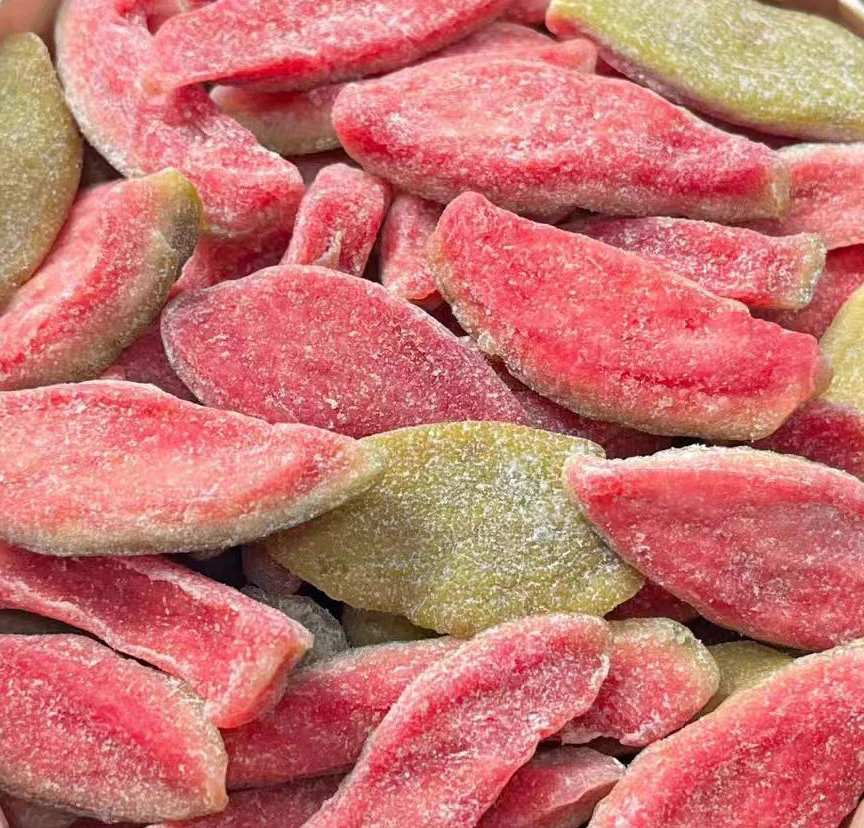
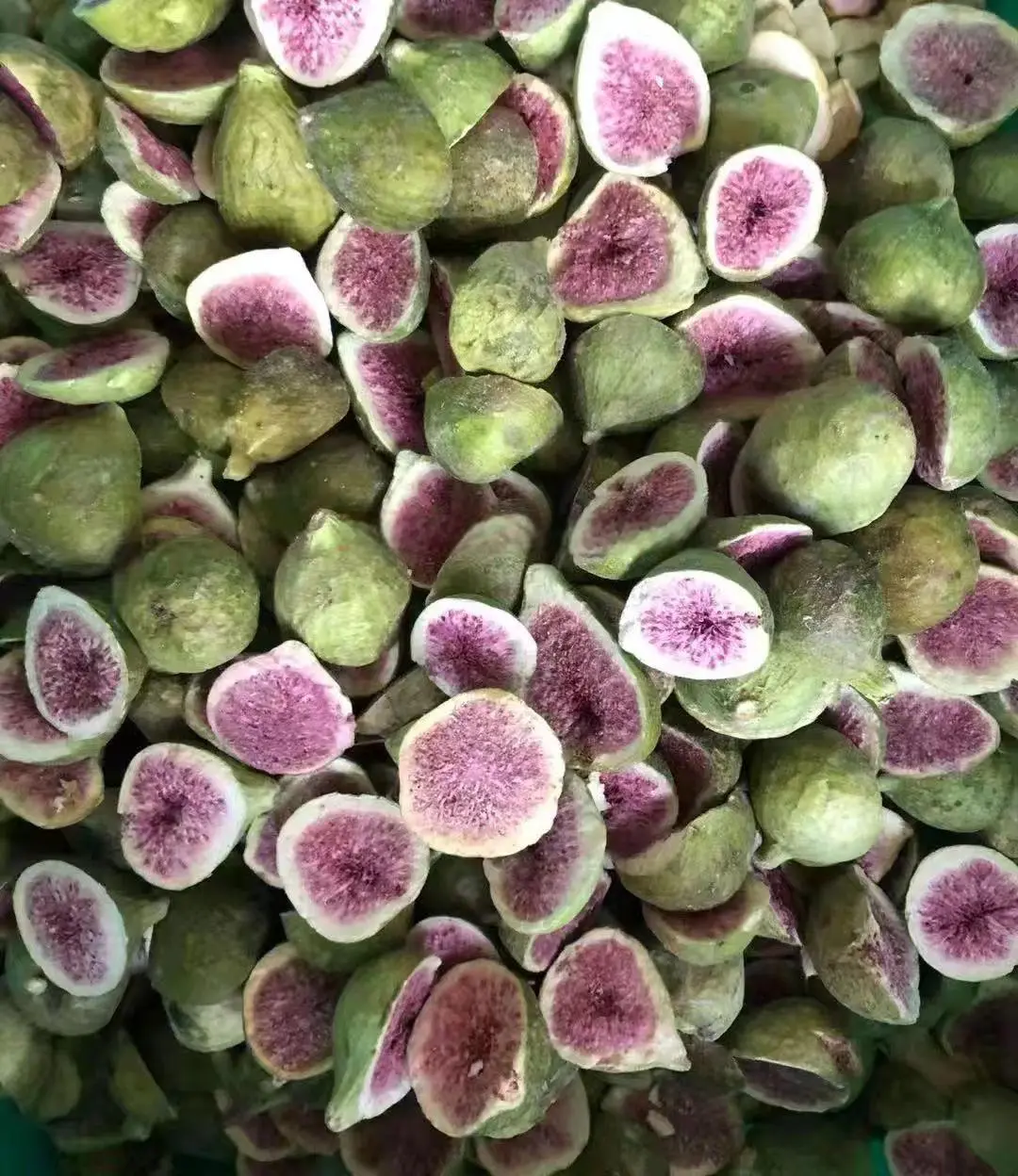
Traditional dried fruit is enhanced with fig crisps. For a light, long-lasting snack, they utilize a complicated procedure to remove moisture from fresh figs. These products mainly include thinly sliced figs processed into a crispy snack while preserving their benefits. Chinese and American fig crisp makers employ distinct ingredients, processes, and quality control methods. These variations greatly impact the final output.
The convenience and nutrition of fig crisps are their key appeal. Some manufacturers employ natural flavorings or preservatives, while others use little additives. Area determines these options. Understanding these fundamental variations helps bulk buyers ensure product specifications match target market needs and regulations.
What Are Fig Crisps Made Of?
Premium fig crisps are mostly made of dried figs, but the ingredients can change a lot from one brand to the next and from one place to another. Chinese makers often use Mission and Turkish figs. They dry the figs using a mix of old-fashioned methods, like sun-drying, and newer methods, like vacuum dehydration. American makers often get California-grown Brown Turkey and Calimyrna figs, focusing on clean farming and methods that don't change the figs much.
Potassium sorbate (a natural antioxidant), citric acid (to keep the color), and sometimes a little bit of rice flour (to keep the pieces from sticking together when they are packaged) are all common additions. Some higher-quality versions use organic cane sugar or honey, but goods that are focused on health stick to fruit. It is very important for large buyers who want to sell to certain groups of people or follow certain dietary rules to understand how ingredient disclosure works.
Nutritional Value and Health Benefits
Each dose of fig crisps has a lot of potassium, calcium, antioxidants, and 3 to 4 grams of nutritious fiber. The process of drying removes water from foods. This keeps important minerals and natural sugars, which makes goods that have about 80 to 90 calories per ounce. These nutritional qualities make fig crisps a good choice for healthy snacks, which makes them popular with people who want to avoid processed snacks.
Figs are good for you because they help digestion and are full of antioxidants. Chinese and American ways of preparing food may affect how much nutrition is kept in different ways. Usually, softer ways of removing water from food keep more heat-sensitive vitamins and minerals.
Key Differences Between Chinese and American Fig Crisps
The differences between Chinese and American fig crisps are based on how the figs are grown and processed and how the products are marketed in each country.
Ingredient Sourcing and Production Methods
Chinese fig crisp makers get their ingredients from places like the Xinjiang and Shandong provinces, which have climates that make it possible to grow a lot of figs. Fruits of different kinds can be processed on multiple lines that are often put together in the same production facility. This helps the business run more efficiently, and they are then able to offer better prices to customers. Using both old ways of drying in the sun and modern vacuum dehydration gives Chinese suppliers the ability to offer goods with longer shelf lives and uniform quality standards.
When American makers get their goods from California's Central Valley, they focus on environmentally friendly methods and making sure their goods are certified organic.
Taste, Texture, and Flavor Profiles
Chinese fig chips often taste sweeter because of the places they come from and how they are made; sometimes, they are slightly caramelized while they are dehydrated. Because of the standard steps taken for large-scale production, texture features usually stress even brightness and steady thickness. The taste is a strong, sweet one with a hint of fig.
American fig crisps often have more complicated flavors that balance the earthiness of the wild fig with a strong sweetness. If you use processing methods that keep the fruit's shape, the texture of the fruit may be a little different in each package.
Packaging, Shelf Life, and Compliance Standards
Different parts of the world use very different packaging methods. For example, Chinese companies often use cheap, layered films that work well for protecting moisture for packages sent to other countries. If stored correctly, the normal shelf life is anywhere from 12 to 18 months, and the package is made to handle long delivery times. Most of the time, compliance guidelines meet the needs of shipping goods abroad, including those of the FDA and the European Union.
American packaging often uses high-quality materials to make the products more appealing to customers. Shelf life standards may be more cautious, showing that the focus is on quality instead of the longest possible keeping time.
Bulk Buying Considerations for B2B Procurement
When you want to buy something in bulk, it's important to look at more than just the price. You need to look at the cost, the suppliers' skills, and the stability of the supply chain.
Pricing and Cost Efficiency Analysis
If you buy more than 1000 kilograms of Chinese fig crisps, the price is usually between $2.80 and $4.20 per kilogram, and bigger orders will get volume savings. Costs that are not shipping include quality checks, shipping to other countries ($0.40–0.80 per kilogram), and import taxes (which depend on the type of goods). Even with these extra costs, total landing costs usually stay competitive, especially when buying in large amounts.
For similar amounts, American sellers usually charge $5.50 to $8.90 per kilogram, and the fancier organic ones cost more. Buying goods within the country cuts down on shipping and import fees and also cuts down on lead times from 4–6 weeks to 1–2 weeks. The higher prices are not usually because the products are better; they are usually because of strict quality controls, certifications for being organic, and the cost of work in this country.
Supplier Reliability and Supply Chain Stability
Evaluating seller dependability involves checking records, licenses, and operating skills that make sure products are delivered on time every time. Chinese sellers often show off their ability to handle really big orders by using well-known ways of shipping goods internationally and keeping track of quality. A lot of people with ISO 22000 and HACCP licenses show that they are committed to food safety standards that are important for building trust in large purchases.
American providers usually make it easier to talk to each other, match with your culture, and settle quality disputes. Doing business in your own country makes it easier to visit facilities and get to know people, which can help build long-term partnerships. You can make the supply chain more stable by relying less on foreign shipping and customs processes that can delay deliveries.
Customization and Private Label Opportunities
Chinese makers are great at customization, giving different package sizes, unique labeling, and changes to the product to meet specific needs. Private label goods usually require at least 2,000 kilograms to be ordered, but normal packaging choices have smaller minimums. Being able to change the way ingredients are mixed and processed makes it possible to create new products that fit with a certain market placement strategy.
During the testing and market launch phases, American suppliers often offer better cooperation in product creation and smaller minimum orders. Private label skills might include high-end packaging choices, the ability to certify organic products, and co-packing services that make it easier for smaller brands to get into the market. The team-based method often includes marketing help and legal advice, which are useful for launching new products.
Company Introduction & Product Services
Guangzhou Qijie Trading Co., Ltd is a top company in the world candied fruit and dried snack marketing, with over thirty years of experience in the field. Since 1988, we have stayed committed to direct factory supply ties, which have built a broad business system that matches great quality with the need to be efficient. We have a lot of experience in the candied fruit business, which helps us meet the changing needs of bulk buyers who want to work with trusted fig crisp providers.
Our business philosophy is to control product quality from source to delivery, eliminate intermediaries, and provide better rates. Through rigorous quality control across our supply chain, we ensure that our products fulfill ISO and HACCP food safety requirements. B2B clients seeking trusted suppliers have recognized our safety and quality commitment.
Besides packaging, customization options include ingredients, size, and shelf life optimization for delivery. Our manufacturers provide a variety of purchase quantities, allowing us to receive a lot of supplies and test market initiatives with smaller buys. Technical assistance includes nutritional research, rule-following, and market placement.
We guarantee more than goods to B2B interactions. They have our entire support to succeed. We realize bulk buyers need more than exceptional pricing. They need reliable allies who understand their market's issues and assist them get a competitive edge. We manage accounts with transparency, speed, and proactive engagement to develop long-term relationships.
Conclusion
When buying in bulk, whether to get Chinese or American fig crisps relies on the business's needs, how it wants to be seen in the market, and its operational goals. Chinese providers have great cost benefits and the ability to make very large amounts of goods. This makes them ideal for high-volume needs and markets that are sensitive to price. American sellers offer the best product placement, make shipping easier, and improve quality control for high-end market groups.
Successful bulk buying needs a process that goes beyond just looking at the price. It needs to look at the total cost, the stability of the provider, and the chances of being able to work together in the long term. If you look at and handle both markets correctly, they will each provide good options. Success depends more on how you choose suppliers and manage relationships than on where they are located.
Frequently Asked Questions
Q1: Are fig crisps healthier than dried figs or fig bars?
A: Fig chips usually have less added ingredients than fig bars and are more nutritious than some other dried fig goods. Dehydration makes food crisp and intensifies its nutrients. Taking out the water makes the calorie count higher than that of fresh figs, so people who care about their health should still watch how much they eat.
Q2: What are the best storage practices to maintain freshness of fig crisps in bulk?
A: The best place to store it is cool and dry, below 70°F and with a relative humidity of less than 60%. To keep damp out, keep the original package or a sealed container. It is important to use older goods so that the quality does not go down, and it is also important to make sure that storage places have enough air flow so that condensation does not form.
Q3: How can I ensure quality when buying fig crisps from overseas suppliers?
A: Quality assurance needs checks before shipping, detailed product specs, and testing by a third party when it's needed. Setting clear standards for quality, needing certificates, and regularly checking the facilities help keep things the same. Before placing big orders, quality issues can be avoided by regularly testing the product and keeping the lines of communication open with vendors.
Partner with Guangzhou Qijie Trading Co., Ltd for Premium Fig Crisp Solutions
Ready to learn the benefits of working with an expert Fig Crisps supplier? Guangzhou Qijie Trading Co., Ltd. gets great prices for large buyers by using their 30 years of experience in the business and their direct connections to factories. Our promise to reasonable pricing, quality control, and dependable service makes us the best partner for your fig crisp procurement needs.
Our team offers tailored help that will make your business more successful, whether you need to create a private name, find a custom packing solution, or get a steady supply in bulk. We know how hard it is for food makers, marketers, and store buyers to do business in today's competitive market. Email qijie@qijietrade.cn to talk about how our complete fig crisp solutions can help you make more money and get more products.
References
1. Smith, J.A. "Comparative Analysis of Global Fig Processing Industries: Production Methods and Quality Standards in East Asia and North America." Journal of International Food Trade, Vol. 45, No. 3, 2023, pp. 78-95.
2. Thompson, R.K. and Chen, L. "Supply Chain Management in Dried Fruit Procurement: A Study of Chinese and American Fig Crisp Manufacturing." Food Industry Quarterly, Vol. 28, No. 2, 2023, pp. 112-128.
3. Rodriguez, M.E. "Nutritional Evaluation of Dehydrated Fig Products: Processing Impact on Antioxidant Content and Dietary Fiber Retention." International Journal of Food Science and Technology, Vol. 52, No.
4, 2023, pp. 234-249. 4. Williams, P.D. "B2B Procurement Strategies in the Healthy Snack Market: Cost Analysis and Supplier Selection Criteria for Fig-Based Products." Business Food Management Review, Vol. 19, No. 1, 2024, pp. 45-62.
5. Zhang, H.Y. and Anderson, K.L. "Quality Control Standards in International Dried Fruit Trade: Regulatory Compliance Between Chinese Exporters and American Importers." Food Safety and Regulation Today, Vol. 31, No.
6. 2023, pp. 203-217. 6. Johnson, S.T. "Market Trends in Premium Dried Fruit Snacks: Consumer Preferences and Bulk Buyer Strategies in the North American Market." Food Marketing Intelligence, Vol. 15, No. 4, 2024, pp. 89-104.
Get in touch with The Nut Supplier.
Over 30 years of candied fruit business